Culture news and discussion on TalkFuse.
New rule could speed deportation of asylum seekers
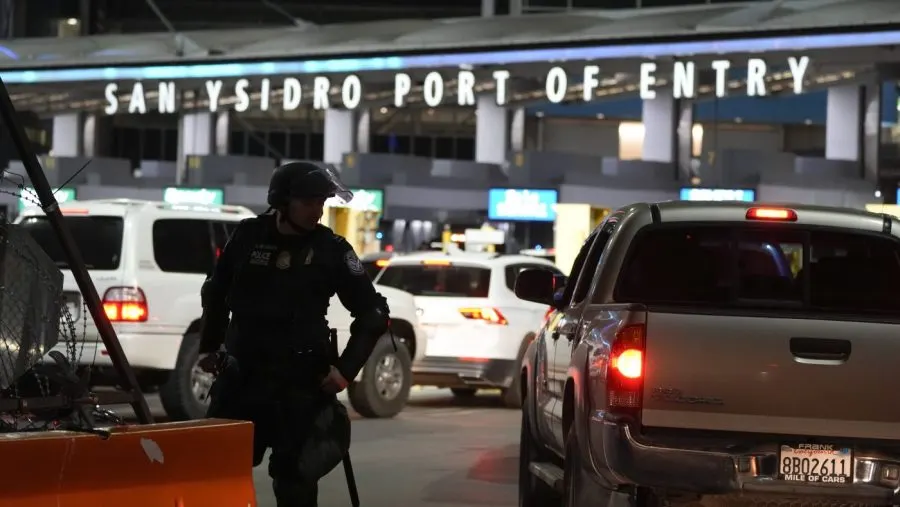
The Trump administration has introduced a rule allowing US asylum officers to send some applicants directly to immigration courts without first interviewing them. The change could speed up removal proceedings and affect hundreds of thousands of cases, making it a significant shift in how asylum claims are handled.
Officials say the measure, effective Tuesday and open to 60 days of public comment, should reduce USCIS’s 1.4 million-case asylum backlog and focus resources on genuine protection claims. USCIS estimates up to 444,000 cases could be affected, while advocates argue that moving cases into immigration courts—which have a backlog of about 3 million cases—could limit applicants’ opportunity to explain their cases and increase deportations.
In short
- Rule permits some asylum cases to bypass officer interviews.
- Up to 444,000 cases could be transferred to courts.
- Officials cite efficiency; advocates warn of reduced due process.
Steelman: both sides, in good faith
The strongest fair case each way — we don't pick a winner.
The case for
Supporters of the rule argue that the asylum system is overwhelmed by a backlog of 1.4 million cases, leaving vulnerable people in prolonged limbo whilst their claims languish unprocessed. By allowing asylum officers to screen out cases lacking clear merit before full immigration proceedings, resources can be focused on genuine protection claims and the process genuinely accelerated. The measure targets specific categories that trained officers can reasonably assess without full interview, and moving cases forward—even to immigration courts—represents necessary progress in addressing systemic dysfunction.
The case against
Opponents contend that skipping initial interviews violates due process and asylum applicants' fundamental right to present their claims, particularly as many face language barriers and lack legal sophistication to represent themselves effectively. Immigration courts are already backlogged by 3 million cases, so redirecting asylum seekers there does not streamline justice but merely transfers cases to an even more overwhelmed system. Without proper initial assessment by trained officers, legitimate claims from those with genuine protection needs risk being summarily rejected, effectively weakening rather than improving asylum protection.
Explained simply
Asylum is protection granted to people fleeing persecution or violence in their own countries. Hundreds of thousands of people apply for asylum in the United States each year, and officials must determine whether their claims for protection are genuine.
The asylum process is lengthy and involves multiple stages, from interviews with immigration officials to potential court hearings. The system faces severe backlogs, with hundreds of thousands of cases waiting to be processed, meaning applicants often wait years before their claims are decided.
How quickly and fairly asylum cases are handled matters to different groups: those seeking protection often have urgent circumstances, whilst officials contend with overwhelming caseloads and courts struggle with capacity. The process determines whether people get a meaningful opportunity to explain why they fled and to establish whether they deserve legal protection.
Art Celebrity Culture Entertainment Politics