War machines can run amok with AI in control
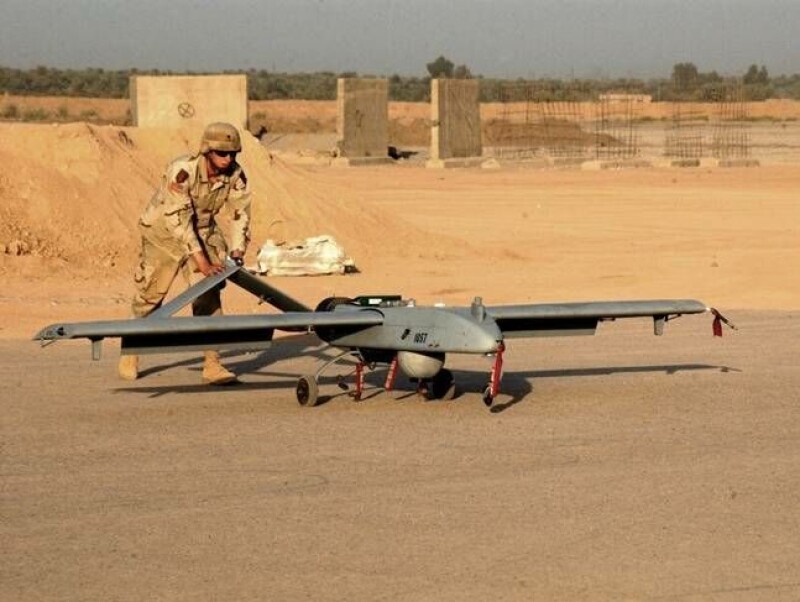
A not-for-profit transparency watchdog, Airwars, has published a detailed report titled "Anatomy of an AI Kill Chain" that maps out how artificial intelligence is used across modern military targeting and strikes. The investigation walks through a fictitious but representative kill chain to show how machine learning now shapes decisions on the battlefield, with the authors warning that humans are involved in only some stages of the process, raising concerns about accountability and the risk of error in life-and-death decisions.
The report, written by Sophia Goodfriend, Heidy Khlaaf, Namir Shabibi, Joe Dyke and Nathan Walker, breaks the process into six stages: decision support, surveillance, intelligence and identification, target selection, strikes, and post-strike assessment. It cites a claim from a recent book on US military AI that only two of these six stages still involve humans "in the loop", with a third offering partial human oversight, while the rest are fully automated. The authors highlight specific failure points at each stage, including unreliable decision-support tools, translation errors, flawed social-media-based risk scoring, computer vision misidentification, and problems with neural networks used during GPS-jammed drone strikes, arguing that focusing on single systems or companies obscures the wider "stack" of interacting AI technologies driving modern warfare.
- Airwars report maps AI's growing role in military targeting and strikes
- Only two of six kill-chain stages reportedly still involve human oversight
- Report flags errors from computer vision, translation and jamming-affected systems