Double Fine lays off a third of workforce after Microsoft split
Developed over time first seen 2 months ago
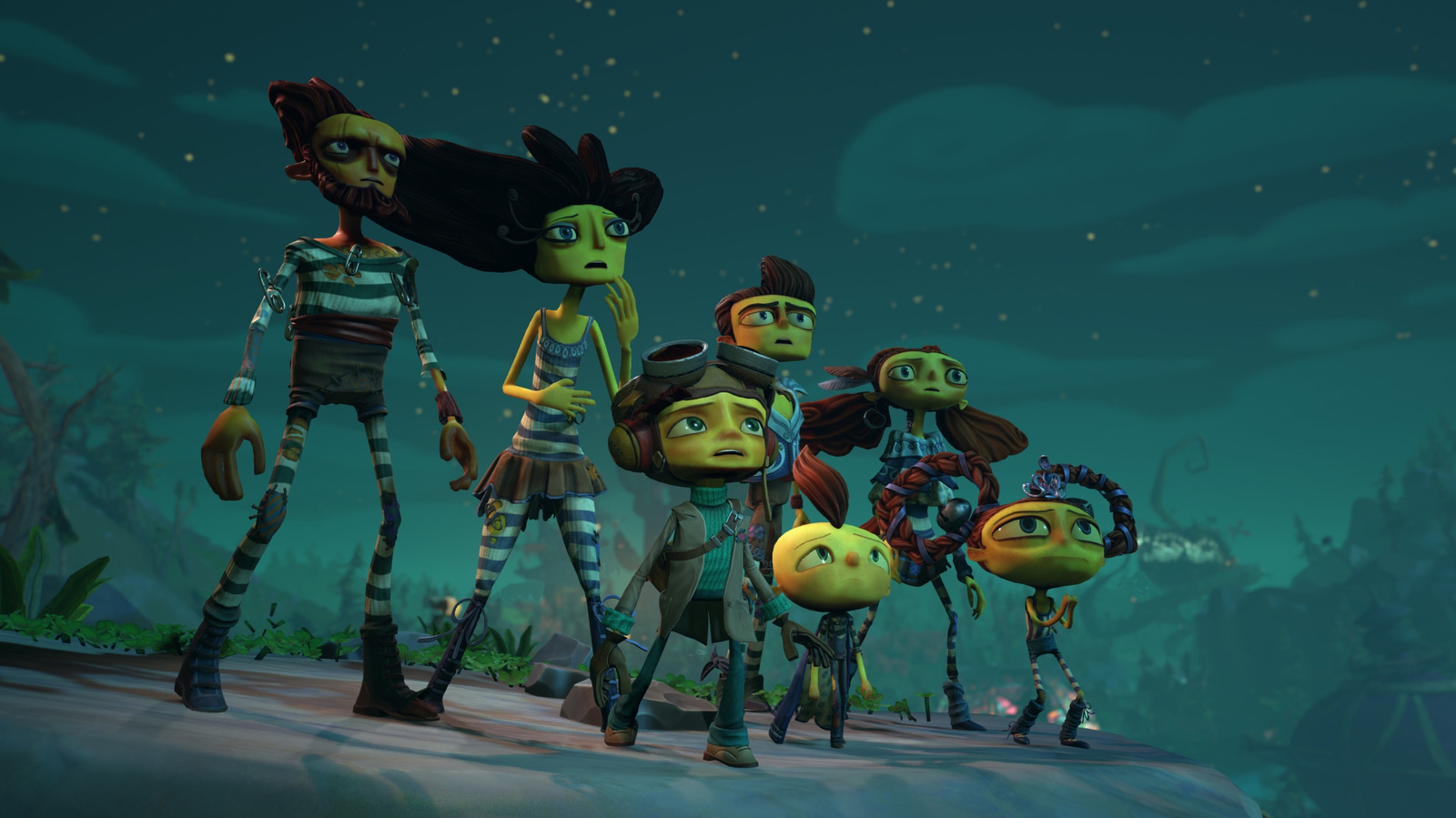
Double Fine, the studio behind Psychonauts and Brütal Legend, has laid off around a third of its staff, weeks after regaining independence from Xbox. Founder Tim Schafer confirmed the redundancies, framing them as a necessary step to secure the studio's future now that it no longer has the financial backing of a major publisher. The episode highlights the sharp challenges facing even well-established, critically acclaimed studios once they step outside the shelter of corporate ownership.
The cuts came roughly three weeks after Microsoft ended its ownership of Double Fine, returning the studio to independent status. Schafer portrayed the layoffs as essential for long-term viability rather than a sign of imminent collapse, but the scale and timing underlined how quickly financial pressures can mount for developers adjusting to life without a parent company's resources.
- Double Fine cut about a third of its staff
- Layoffs came weeks after split from Microsoft/Xbox
- Schafer says cuts secure studio's independent future
New here? Start with this
Double Fine is a video game development studio founded by Tim Schafer, known for critically praised titles such as Psychonauts and Brütal Legend. For years the studio operated as part of Xbox Game Studios, having been acquired by Microsoft in 2019, which gave it the financial backing and stability of a major publisher.
That arrangement recently ended, with Double Fine parting ways with Microsoft and returning to independent operation. Independence gives a studio more creative and business freedom, but it also means losing the steady funding and safety net that a large parent company like Microsoft can provide.
This context matters because it explains why a respected, long-running studio would suddenly need to make substantial job cuts: the shift from corporate ownership to self-sufficiency exposes studios to financial pressures that publishers previously absorbed. The situation is also being watched as a signal of the wider difficulties facing games studios trying to sustain themselves outside big corporate structures.
Coverage
- Engadget — Double Fine lays off about a third of its employees
- PC Gamer — Double Fine cuts staff weeks after separating from Xbox