Culture news and discussion on TalkFuse.
Soft exosuit helps people walk without bulky motors
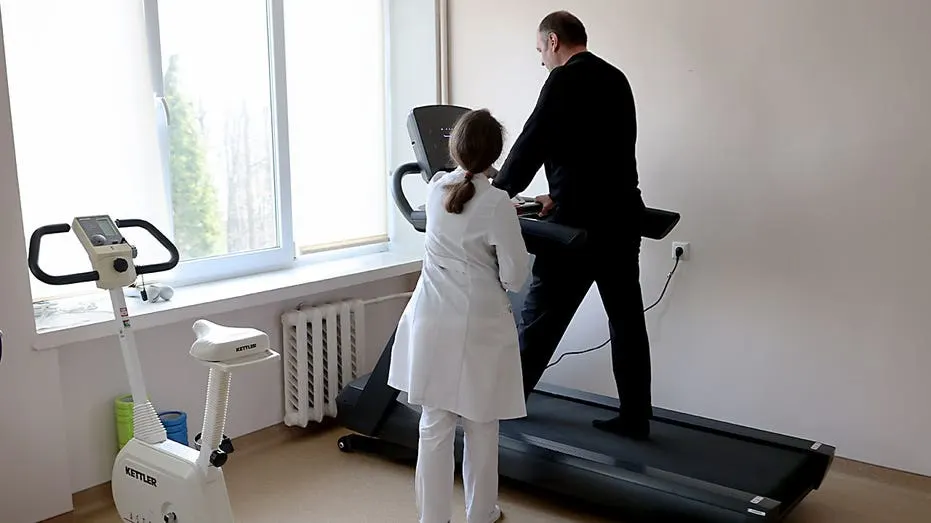
Researchers in China have tested a soft robotic exosuit designed to help people walk with less effort, using thin artificial muscles instead of the bulky motors and gearboxes found in conventional exoskeletons. The device targets the hips and could eventually assist older adults or others who tire easily during activities such as walking through airports or large shops, offering a lighter and less intrusive alternative to existing powered mobility aids.
The prototype, described in a study published in the peer-reviewed journal Science Advances, weighs 4.2 pounds and fits around the waist and thighs like a lightweight harness. In a treadmill trial involving six healthy adults, wearers used an average of 13.9% less energy while the suit's powered assistance was active, and sensors indicated their leg muscles also worked less. The research remains at an early experimental stage, with further development needed before such a device could become widely wearable.
In short
- Chinese researchers trial a soft, motor-free hip-assisting exosuit
- Wearers used 13.9% less energy walking with it active
- Prototype weighs 4.2 pounds; findings published in Science Advances
Explained simply
An exosuit (or exoskeleton) is a wearable mechanical device worn like a harness to help people move with less effort. These devices could assist older adults, those with mobility difficulties, or anyone prone to tiring during everyday activities such as walking through airports or shopping centres.
Traditional powered exoskeletons use bulky motors and mechanical gearboxes, making them heavy and uncomfortable for regular wear. Researchers have now developed a lighter approach using thin artificial muscles in place of heavy motors, aiming to provide the same support without the bulk.
The technology remains in early development stages as researchers work to test and refine soft exosuit designs. More work is needed to understand how well such devices perform in real-world conditions and whether they can be made practical for everyday use.