Entertainment news and discussion on TalkFuse.
Bethesda fan gives up on The Elder Scrolls 6 and decides to make their own Indie Scrolls with big Daggerfall energy: “I have great plans”
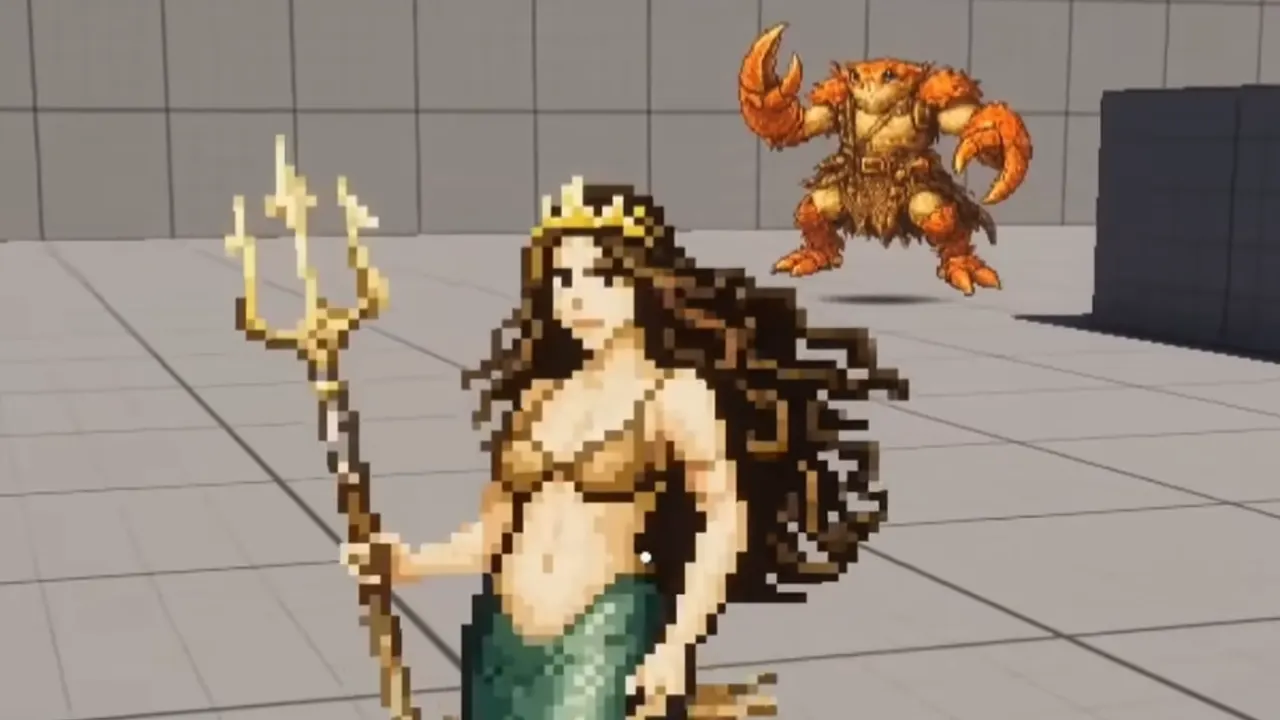
A Bethesda fan, frustrated by the long wait for The Elder Scrolls 6, has begun developing an independent role-playing game intended to capture the expansive, experimental spirit of The Elder Scrolls II: Daggerfall. The project illustrates continued fan demand for the older game’s large-scale freedom and deeper role-playing systems while Bethesda’s next mainline Elder Scrolls game remains unreleased.
The developer has described the project as an “Indie Scrolls” game and said they have “great plans” for it, framing it as a personal alternative rather than an official sequel. Its stated inspiration is Daggerfall’s vast, open-ended approach, suggesting an emphasis on player freedom and ambitious world design over modern series conventions.
In short
- A fan is making an independent Daggerfall-inspired RPG.
- The project reflects impatience over The Elder Scrolls 6’s delay.
- It aims to revive older Elder Scrolls-style freedom.
Steelman: both sides, in good faith
The strongest fair case each way — we don't pick a winner.
The case for
Fan-created games inspired by classic design philosophies represent vibrant creative expression and community engagement. With The Elder Scrolls 6 having no confirmed release date, independent developers drawing on Daggerfall's legacy of expansive worlds and player freedom keep these design values alive and celebrated. Such projects demonstrate genuine demand for particular game design approaches whilst honouring the original franchise's creative legacy.
The case against
Whilst fan enthusiasm is genuine, creating games explicitly positioned as alternatives to major franchises creates practical and philosophical complications. Fan projects operate in a legal grey area that puts their developers at risk of intellectual property disputes with rights-holders. More broadly, fragmenting audience attention toward fan alternatives may signal to publishers that official timelines matter less than community substitutes, potentially undermining commercial incentives to invest in sequels or experimental titles that embrace the design philosophies fans clearly value.
Explained simply
The Elder Scrolls is a long-running fantasy role-playing game series developed by Bethesda. The most recent main entry came out in 2011, and more than fifteen years later, Bethesda has not yet officially announced the next instalment.
The Elder Scrolls II: Daggerfall, released in 1996, is remembered by many players for its vast, procedurally-generated world and emphasis on player freedom and experimental design. This approach differed significantly from later games in the series, which became more structured around specific narratives and questlines.
The demand for specific kinds of gaming experiences can persist long after the original games that offered them. Interest in the expansive, player-directed role-playing that Daggerfall represented has remained strong, particularly given the extended wait for official continuation in the series.