Entertainment news and discussion on TalkFuse.
Facing a 17% review score on Steam, survival game dev says sorry about the bugs and promises to add a way to, uh, save the game
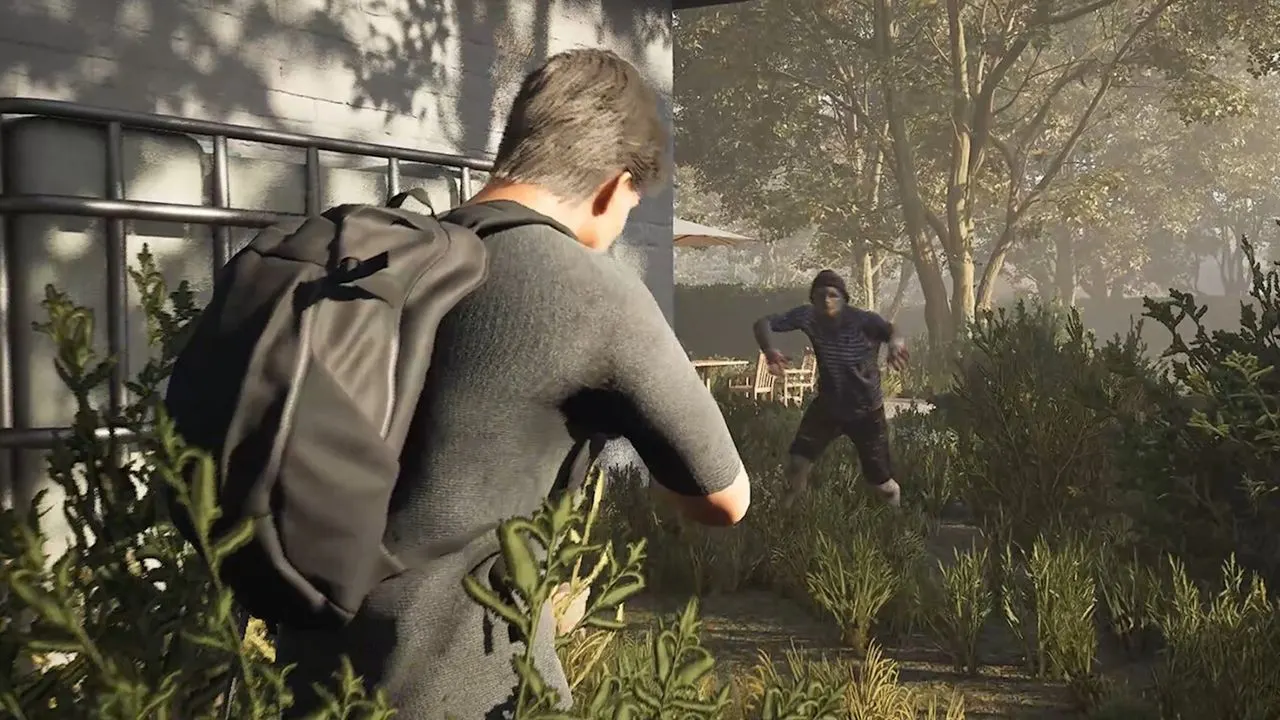
The developer of an unnamed survival game has publicly apologised after the title crashed to a 17% "Overwhelmingly Negative" rating on Steam, with players slamming it for being riddled with bugs and, notably, lacking a working save function. The episode highlights the risks of releasing early access or unfinished survival games into a crowded genre where players expect at least basic functionality, and shows how quickly reputational damage can spread once review scores tank on Steam's storefront.
In their apology, the developer acknowledged the game's poor state and pledged to address the core issues, including adding the ability to save progress, a feature widely seen as a baseline requirement rather than a bonus for the genre. The promise to patch in saving has drawn a mix of ridicule and cautious optimism from the community, as commentators note that shipping a survival game without such a fundamental system in the first place was a significant misstep.
In short
- Survival game dev apologises after Steam reviews crash to 17%.
- Players complained about severe bugs and no save feature.
- Developer promises fixes, including adding the ability to save.
Explained simply
Steam is the main digital platform where people buy and play computer games on PC. Buyers can leave reviews that other shoppers see and that affect how easily the game is found in the storefront. A game with an "Overwhelmingly Negative" rating—meaning very few positive reviews—suffers severe damage to its sales prospects.
Survival games are a popular genre where players manage resources, face threats, and pursue objectives in difficult environments. Because the market is crowded with established survival games, players expect a standard set of features, chief among them the ability to save progress and return to the game later.
For any game to lack a save function is unusual and typically draws heavy criticism, especially in a competitive genre where players have plenty of alternatives. This situation illustrates why it is critical for developers to ensure games contain essential features before release.