Burnham turns to Tories and Lib Dems for help on social care: ‘Help me fix this’
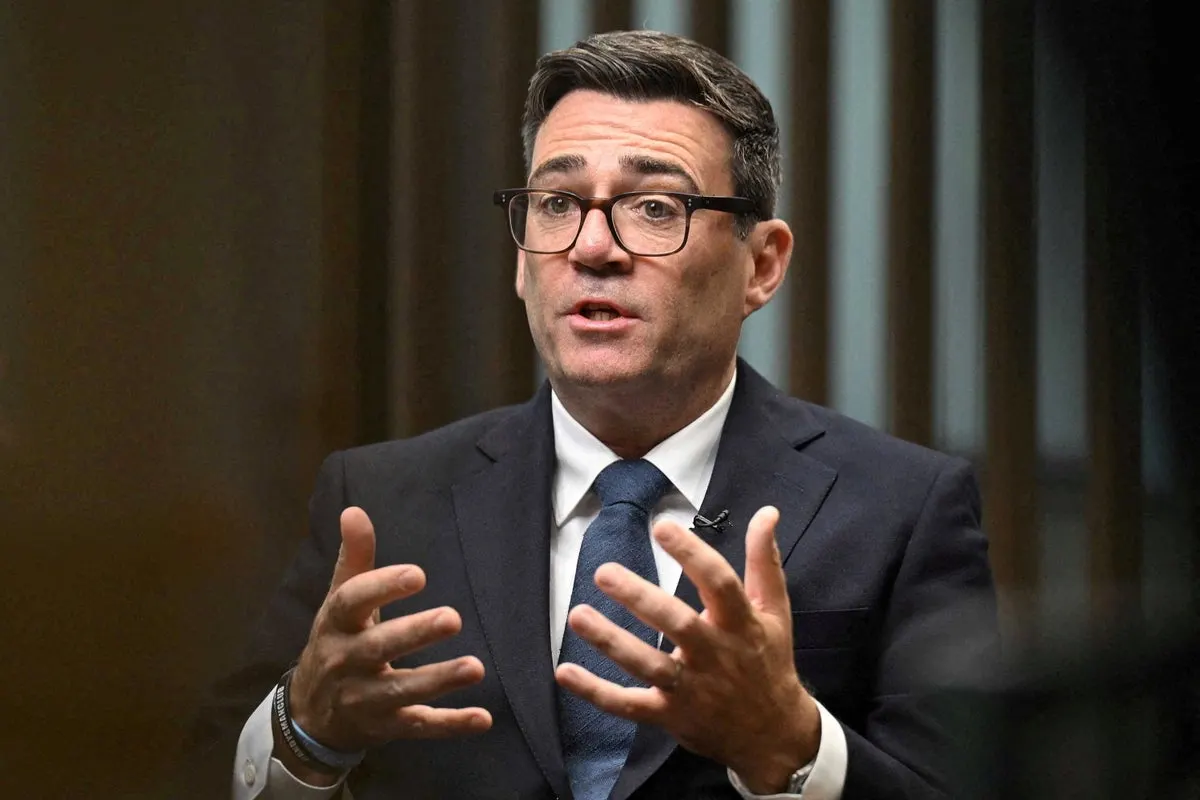
Andy Burnham has invited Conservative leader Kemi Badenoch and Liberal Democrat leader Sir Ed Davey to a Downing Street summit to seek cross-party agreement on fixing England's social care system, framing it as a test of "problem-solving, not point-scoring" politics. The prime minister argues that decades of governments avoiding the issue have left carers struggling, families paying the price and the NHS under mounting strain, and he wants to draw a line under the political point-scoring that has previously derailed reform attempts.
The summit takes place amid pressure on the wider public finances, with the government already facing questions over how to fund £2bn of pledges including scrapping VAT on energy bills and capping bus fares, alongside a forecast that inflation could near 4 per cent next year and a defence funding gap of £5bn to £18bn. Sir Ed has said the Lib Dems are willing to work with Burnham, while Badenoch has offered cooperation but ruled out backing tax rises; Reform UK, not invited to the talks, has pre-emptively accused Burnham of reviving the "death tax" policy he proposed as health secretary in 2009, a claim Downing Street has denied.
In short
- Burnham seeks cross-party deal with Tories, Lib Dems on social care
- Comes as government faces tight finances and rising inflation forecasts
- Reform, excluded from talks, accuses Burnham of reviving "death tax"
Steelman: both sides, in good faith
The strongest fair case each way — we don't pick a winner.
The case for
A cross-party approach to social care is justified because the system is genuinely broken and has been abandoned by successive governments for political convenience. Carers are struggling, families face ruinous costs, and the NHS is buckling under preventable care crises. By building consensus across parties, reform can move beyond the political blame-shifting that has killed previous attempts, allowing all parties to share responsibility for difficult decisions and providing the long-term stability needed for genuine improvement.
The case against
Scepticism about this summit reflects legitimate concerns about timing, financing and follow-through. With the government already under fiscal pressure and multiple spending commitments, genuine questions exist about how social care reform would be funded without unpalatable tax rises. Cross-party talks on this issue have repeatedly failed historically, and experience suggests such summits often collapse or produce vague agreements that fail to deliver real change, potentially leaving carers and families disappointed again.
Explained simply
England's social care system provides support to elderly and disabled people who cannot fully look after themselves at home. The system is now struggling significantly, with carers working in difficult conditions, families paying substantial costs, and the NHS having to take on responsibilities it was never designed to handle.
Reforming social care has been a long-standing challenge that governments have avoided tackling, with the problems only growing worse. Previous attempts at reform have become politically controversial, particularly over the question of how to fund it, and have been shelved rather than implemented.
Prime Minister Andy Burnham is now attempting a different approach by seeking agreement from opposition party leaders before proposing solutions. This cross-party method reflects the scale of the challenge, though significant disagreements remain between the parties, particularly over whether tax increases should be part of any solution.