Science news and discussion on TalkFuse.
Study: Dinosaurs were charbroiled after Chicxulub impact
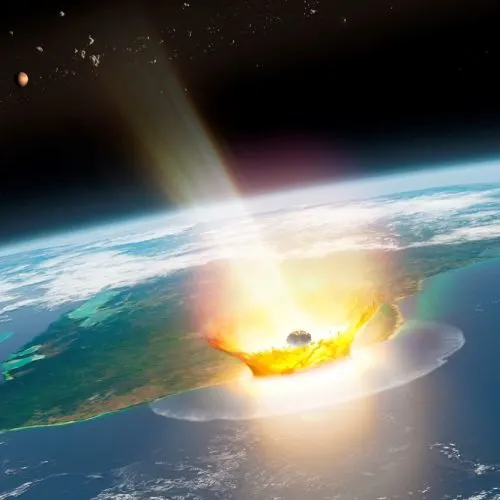
A new study published in the Journal of Geophysical Research: Biogeosciences offers fresh insight into how the Chicxulub asteroid impact 66 million years ago triggered the mass extinction that wiped out the dinosaurs. Researchers found that the collision generated a vast cloud of extremely fine dust that superheated Earth's upper atmosphere, effectively broiling exposed living organisms and sparking widespread wildfires within the first hour or two after impact.
The study builds on the well-established Alvarez hypothesis and combines earlier impact simulations with newly identified geological evidence, including a layer of ultra-fine post-impact dust discovered in 2023. Purdue University planetary scientist Brandon Johnson and colleagues calculated that this dust, formed from leftover vaporised rock, would have exposed organisms to roughly 17 times the lethal human radiation dose, causing severe burns and heat stroke even in thick-skinned dinosaurs. While the heat pulse likely wasn't intense enough to ignite wood directly, it would have been more than sufficient to set grass, lichen and pine needles ablaze, fuelling extensive fires across the planet.
In short
- Chicxulub asteroid's dust cloud superheated Earth's atmosphere after impact.
- Fine dust exposed organisms to 17x lethal radiation, causing fatal burns.
- Heat likely ignited wildfires, killing life within one to two hours.
Explained simply
The Chicxulub asteroid collided with Earth 66 million years ago, triggering a mass extinction that killed the dinosaurs and most other life on the planet. This event is one of the most significant extinction events in geological history.
Since scientists established the asteroid's role in causing the extinction in the 1980s, they have worked to understand the precise mechanisms that made the impact lethal. The collision would have had multiple devastating effects, from the initial impact and shockwaves to atmospheric changes, wildfires, and shifts in climate.
Researchers have investigated various ways the impact could have killed organisms, including the immediate physical destruction, starvation from environmental collapse, and the potentially lethal effects of heat and atmospheric disruption. Understanding these mechanisms helps explain how a single event could be so catastrophic for life across the entire planet.