Culture news and discussion on TalkFuse.
The Only 1960s Country Singer That Tom Waits Gave Props To: “Most Sound Like They’re Talking to Their Accountant”
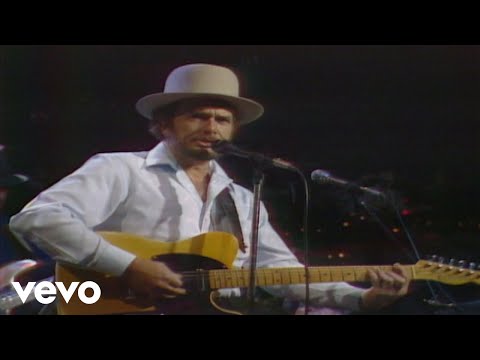
Music critic Tom Waits, characteristically restrained in public statements, offered pointed observations about 1960s country music, naming Merle Haggard as the sole artist from that generation who preserved genuine authenticity. Waits objected to how most successful country musicians abandoned the genre's working-class foundations, suggesting they became preoccupied with wealth management rather than artistic substance. Haggard alone, in Waits' assessment, maintained his outsider credibility and countercultural edge despite achieving fame.
The critique highlights a shared philosophy between two distinctive artists who resisted pressure to become digestible mainstream entertainment. Both Waits and Haggard sustained their unpolished personas and uncompromising artistic visions despite commercial achievement, avoiding the strategic accessibility that dominates contemporary music. Their refusal to soften their image or conform to industry expectations exemplifies an artistic independence the article suggests has largely vanished from modern commercial music.
In short
- Tom Waits identified Merle Haggard as the only 1960s country artist maintaining authentic working-class credibility, criticising others for prioritising commercial success over artistry
- Waits and Haggard both preserved anti-establishment personas and resisted mainstream glossification throughout their careers, representing an increasingly rare form of artistic independence
Steelman: both sides, in good faith
The strongest fair case each way — we don't pick a winner.
The case for
The critique speaks to a genuine dynamic in commercial music: success often pressures artists to abandon the authenticity and working-class grounding that initially gave them power. Merle Haggard's distinctiveness as one artist who maintained integrity whilst achieving fame underscores the rarity of this achievement and validates the broader observation that most artists do compromise artistically when chasing commercial appeal.
The case against
This characterisation unfairly reduces an entire generation of artists to a binary of authentic versus commercial, overlooking the many whose work maintained genuine artistic merit and meaningful expression alongside commercial success. The assumption that popularity inherently corrupts artistic purpose ignores how some artists navigated both realms with integrity, and judging complex, decades-spanning careers through one critic's selective assessment does them a disservice.
Explained simply
Tom Waits is a gravelly-voiced American musician known for his unconventional songwriting and performance style, whilst Merle Haggard was a legendary country singer from the 1960s onwards. Waits has recently remarked that Haggard stands apart from his 1960s country contemporaries for remaining true to an authentic artistic vision rather than pursuing mainstream commercial success.
During the 1960s and afterwards, country music experienced significant commercial expansion as it reached wider audiences. This growth encouraged many artists to refine their image and sound to suit mainstream radio and record labels, moving away from the genre's roots in working-class experience and outsider sensibilities.
Haggard is distinguished in Waits' view for resisting pressure to soften his persona or make his art more commercially palatable. Both artists have built careers on unpolished, uncompromising identities that reject conventional industry expectations—something Waits suggests has become increasingly rare in modern commercial music.
Art Culture Entertainment Music