Culture news and discussion on TalkFuse.
Dems reject Trump’s top spy pick after demanding replacement, leaving counter-terror tool in air
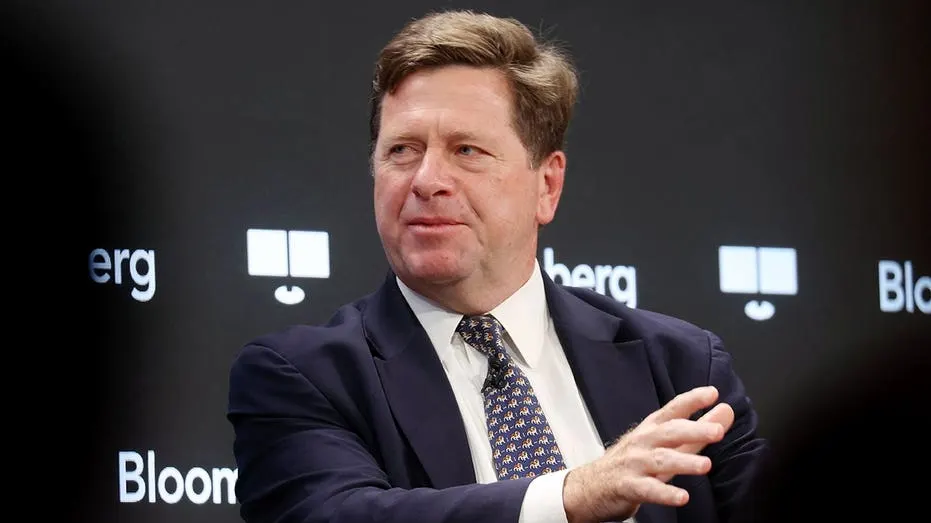
The US Senate confirmed Jay Clayton as the new Director of National Intelligence in a party-line vote, filling a role Senate Democrats had pushed to have replaced after initially rejecting the administration's preferred pick. The confirmation ends a period of uncertainty over the leadership of America's intelligence community, a position with direct oversight of agencies involved in counter-terrorism and national security coordination, at a time when officials had already been citing efforts to streamline the office's staffing.
Democrats had demanded a more experienced replacement for Tulsi Gabbard before backing a nominee, but ultimately opposed Clayton's confirmation when it came to a vote, which passed along party lines with Republican support alone. The vacancy had followed reports that the acting DNI's office had cut staffing by roughly 30% in the weeks prior to the confirmation vote, and the episode played out against a wider backdrop of Senate wrangling over national security and intelligence appointments.
In short
- Jay Clayton confirmed as DNI in party-line Senate vote
- Democrats had demanded a different, more experienced nominee
- Move follows reported 30% staff cuts under acting DNI
Steelman: both sides, in good faith
The strongest fair case each way — we don't pick a winner.
The case for
A Director of National Intelligence must possess exceptional expertise and credibility to oversee sensitive operations affecting national security. Senate Democrats raised legitimate concerns about the initial nominee's background and appropriately demanded a more experienced replacement. When Clayton was nominated, Democrats evaluated him against the standards appropriate for this critical position and concluded he lacked the necessary depth and relationships within the intelligence community. Maintaining rigorous standards for vital security leadership represents responsible governance.
The case against
Democrats demanded a replacement for the initial nominee and the administration accommodated them with Clayton, yet they voted against him on strict party lines. This pattern of demanding changes only to reject them raises questions about whether stated concerns were genuine criteria or pretext for partisan obstruction. The extended leadership vacancy has caused measurable harm to national security, with a 30 per cent staff reduction in the intelligence community during the uncertainty, particularly concerning given the importance of counter-terrorism operations.
Explained simply
The Director of National Intelligence is a senior US government position responsible for overseeing and coordinating America's intelligence agencies, which handle counter-terrorism, national security analysis and intelligence operations. This office plays a central role in advising the president and senior officials on security threats. The director coordinates the work of the CIA, FBI, NSA and other intelligence agencies to provide integrated guidance on national security.
The position has become a point of political disagreement between the Trump administration and Senate Democrats. When the administration's initial nominee faced Democratic opposition, Democrats called for a replacement who was more experienced. The dispute reflects broader partisan divisions over who should lead major national security institutions and what qualifications are most important for such roles.
The uncertainty over the intelligence office's leadership has coincided with significant staffing changes at the agency. Reports indicate the office has reduced its workforce by approximately 30 per cent in recent weeks, which has raised questions about the agency's capacity to maintain operations during a period of leadership transition. The combination of staffing reductions and unresolved leadership questions has drawn attention to the intelligence community's institutional stability.
Art Culture Government Politics World