Culture news and discussion on TalkFuse.
Putin, Russia put on notice as Senate takes crucial step to grind down the Kremlin’s war machine
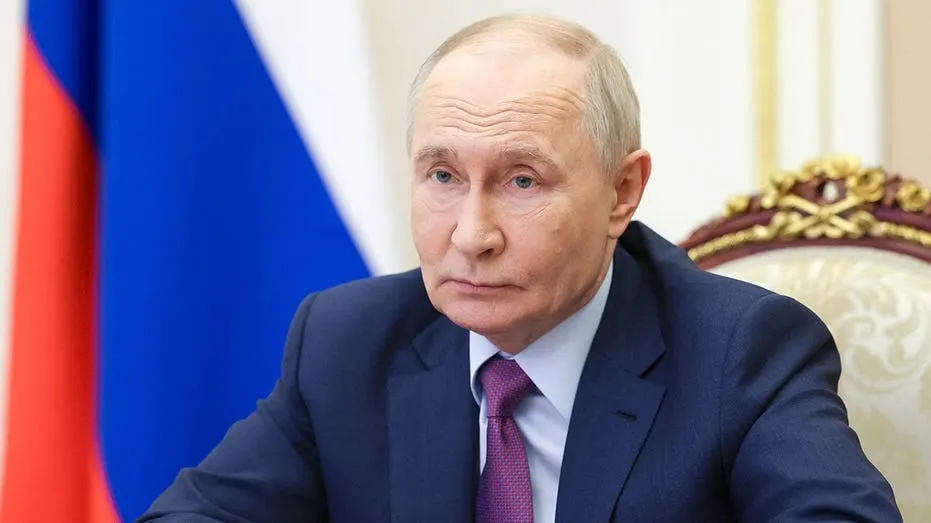
The US Senate has moved forward on a major Russia sanctions bill, taking what Fox News describes as a crucial step towards putting further economic pressure on Vladimir Putin and degrading Moscow's ability to fund its war in Ukraine. The legislation, which also includes measures targeting Iran, has been renamed in honour of Senator Lindsey Graham, who negotiated the bill before his death and was remembered by colleagues across the political spectrum for his work on foreign policy.
Ukrainian President Volodymyr Zelenskyy was due to meet lawmakers ahead of the scheduled Senate vote on the sanctions package. Tributes to Graham from figures including Senate Majority Leader John Thune, Representative Michael McCaul and commentator Brit Hume framed the bill's progress as a continuation of his legacy, with McCaul saying "everything Graham did was for peace." The article, drawn from Fox News, does not detail the bill's specific sanctions provisions or timeline for a final vote.
In short
- Senate advances Russia sanctions bill, also targeting Iran
- Legislation renamed after Senator Lindsey Graham, who negotiated it
- Zelenskyy set to meet lawmakers before the Senate vote
Steelman: both sides, in good faith
The strongest fair case each way — we don't pick a winner.
The case for
Targeted economic sanctions represent a measured but consequential response that can meaningfully degrade Russia's war-fighting capacity by restricting access to critical technologies, markets and financial systems essential to sustaining military operations. Supporters argue sanctions demonstrate commitment to Ukraine's sovereignty without direct military escalation whilst signalling clear costs for aggression, and that sustained economic pressure might eventually encourage negotiated settlement and protect broader international order from further violations.
The case against
Successive rounds of sanctions have demonstrably failed to alter Russian strategic behaviour and may instead entrench Moscow's position by reinforcing perceptions of Western hostility and compelling economic self-sufficiency. Critics contend that maximum-pressure tactics risk foreclosing diplomatic pathways by removing incentives for negotiation, and that alternative approaches—including targeted support for Ukrainian economic resilience or diplomatic engagement through intermediaries—might prove more effective at achieving sustainable resolution without prolonging economic pain across global markets and vulnerable populations.
Explained simply
Russia invaded Ukraine in 2022, an act that prompted Western nations including the United States to impose economic sanctions aimed at weakening Moscow's ability to wage war. Sanctions work by restricting a country's access to international trade, finance and technology. The conflict has now lasted several years with Ukraine heavily reliant on Western military and economic aid.
Senator Lindsey Graham was a prominent Republican politician who built his career on foreign policy issues, with particular focus on Ukraine and military matters. Following his recent death, colleagues from both political parties chose to name a new sanctions bill in his honour, demonstrating broad support for economic measures against Russia. The bill represents continuing efforts by the Senate to increase pressure on President Putin's government.
The United States and other Western allies support Ukraine's defence against Russian aggression through both military aid and economic sanctions on Russia. These twin approaches aim to strengthen Ukraine whilst avoiding direct military confrontation between American and Russian forces. As the conflict continues, maintaining international support remains important for Ukraine's capacity to resist Russian military pressure.
Art Asia Business Culture Europe Geopolitics Government Markets Middle East Politics World