Science news and discussion on TalkFuse.
MCP gets an enterprise makeover
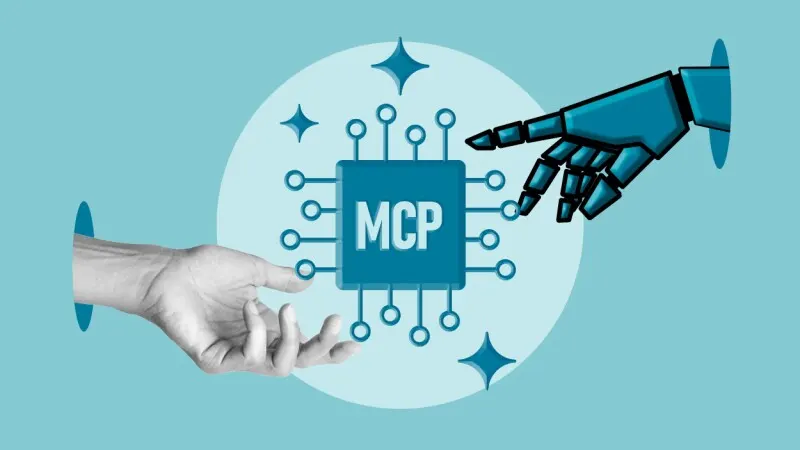
The Agentic AI Foundation, a Linux Foundation project, has released a major update to the Model Context Protocol (MCP), the open standard that lets AI agents connect to external data sources and tools. The revision, described by co-creator David Soria Parra as MCP's most significant change since remote MCP launched, overhauls the protocol's architecture to make it far easier for enterprises to run at scale, addressing complaints about the complexity of deploying it in production environments.
The new version, dated 2026-07-28, removes the legacy stateful architecture so MCP servers can run behind standard load balancers on ordinary Kubernetes and DevOps tooling, rather than requiring sticky routing or shared state. It also introduces a formal Specification Feature Lifecycle and Deprecation Policy guaranteeing a minimum 12-month gap between feature deprecation and removal, a security fix (SEP 2468) requiring validation of an issuer parameter to prevent OAuth Mixup Attacks, support for centralised identity management via an Enterprise Managed Authorization extension, and a shift of long-running "tasks" to an asynchronous, crash-resilient model.
In short
- MCP protocol gets major update aimed at easing enterprise adoption
- Now runs statelessly on standard Kubernetes/load-balancer setups
- Adds security fixes, deprecation policy, and async task handling
Explained simply
The Model Context Protocol is an open standard that allows AI systems to access and use external data sources and tools. Rather than operating in isolation, MCP enables AI to integrate with business applications, databases and services that companies depend on.
Large organisations have been exploring how to use MCP to connect AI capabilities to their existing systems and workflows. However, deploying it at scale has proved technically challenging, as its design made it difficult to work with the standard infrastructure and operational tools used in enterprise environments.
The protocol is maintained by the Agentic AI Foundation, a Linux Foundation project. Recent developments reflect efforts to address these practical barriers as more organisations attempt large-scale adoption of the technology.