Entertainment news and discussion on TalkFuse.
6 Best Zombie Movies Released Since 2010
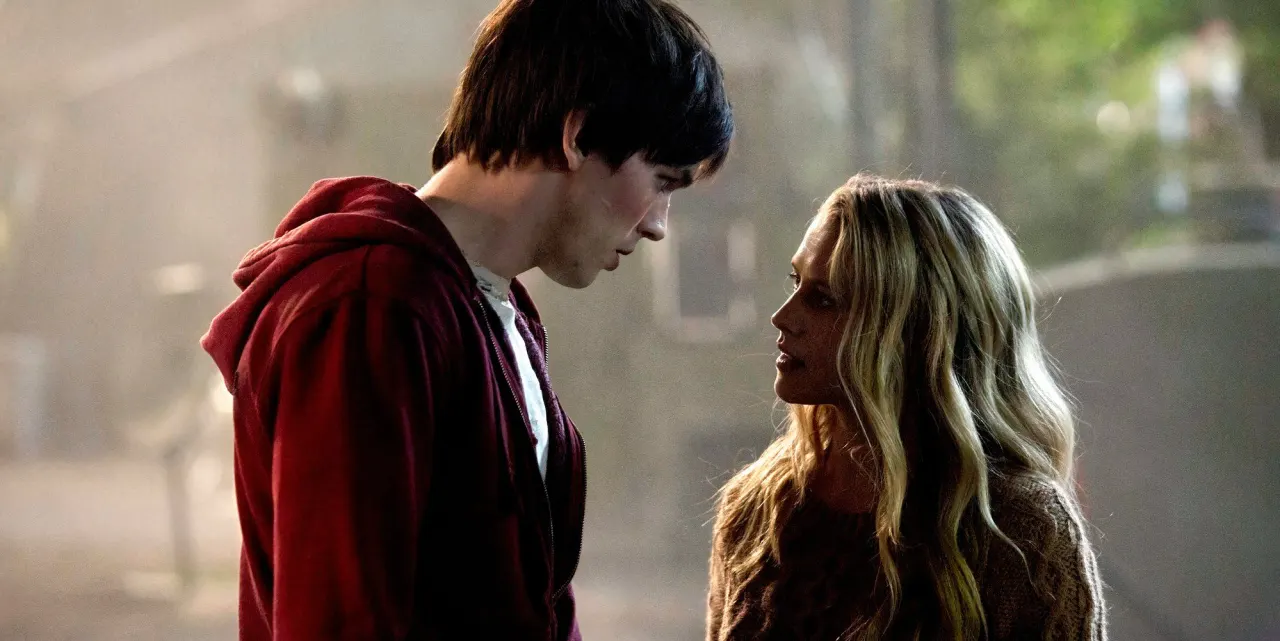
Collider has put together a ranked list of the six best zombie films released since 2010, highlighting how the genre has evolved beyond straightforward horror to embrace romance, comedy and musical elements while still tackling serious themes. The article argues that modern zombie cinema, unlike older mindless-monster fare, often uses the undead to explore genuine emotional or social ideas, citing films that range from tender to comedic to grim.
Among the entries are "Warm Bodies" (2013), a horror-romance starring Nicholas Hoult and Teresa Palmer about a sentient zombie who falls for a human survivor, and "Anna and the Apocalypse" (2017), a Christmas-set zombie musical comedy directed by John McPhail. The list also nods to "Blood Quantum" as an example of a film addressing weightier subject matter, positioning the selections as a mix of fun genre entertainment and more serious social commentary from the past 16 years of zombie filmmaking.
In short
- Collider ranks the six best zombie films made since 2010.
- Warm Bodies blends zombie horror with teen romance and comedy.
- Anna and the Apocalypse is a festive zombie musical comedy.
Steelman: both sides, in good faith
The strongest fair case each way — we don't pick a winner.
The case for
Modern zombie films' embrace of romance, comedy, and musical elements alongside serious themes represents genuine artistic evolution. By moving beyond straightforward horror, films like Warm Bodies and Anna and the Apocalypse demonstrate the zombie concept's versatility, allowing filmmakers to explore complex human experiences and social commentary more richly whilst maintaining the genre's traditional capacity for satire. The best zombie narratives have always functioned as vessels for cultural reflection, a purpose that need not depend exclusively on horror.
The case against
Zombie films have fundamentally weakened themselves by diluting pure horror with romantic subplots, comedic tones, and musical numbers that undermine the genre's essential power. George A. Romero's foundational works achieved their profound social commentary through unflinching grimness and existential dread—elements necessarily compromised by contemporary genre-blending. The genre's historical force derived from refusing to comfort viewers; modern films sacrifice this integrity in pursuit of broader commercial appeal.
Explained simply
Zombie films have long been popular in cinema, traditionally focusing on survival horror and straightforward scares. In recent years, however, filmmakers have increasingly used zombie scenarios as the backdrop for diverse storytelling, mixing the genre with romance, comedy, musical numbers and serious social themes.
Since 2010, zombie cinema has evolved considerably, with films blending horror with other genres and emotional depth. Modern examples range from love stories centred on undead protagonists to Christmas musicals, and include films exploring serious social questions through the zombie premise.
This diversity reflects a broader shift in how filmmakers approach genre storytelling, using the zombie concept to explore themes of love, identity and social upheaval. Contemporary zombie cinema has become increasingly sophisticated, blending entertainment with commentary on serious human concerns.