World news and discussion on TalkFuse.
How to Bring a Geothermal Well Back from the Dead
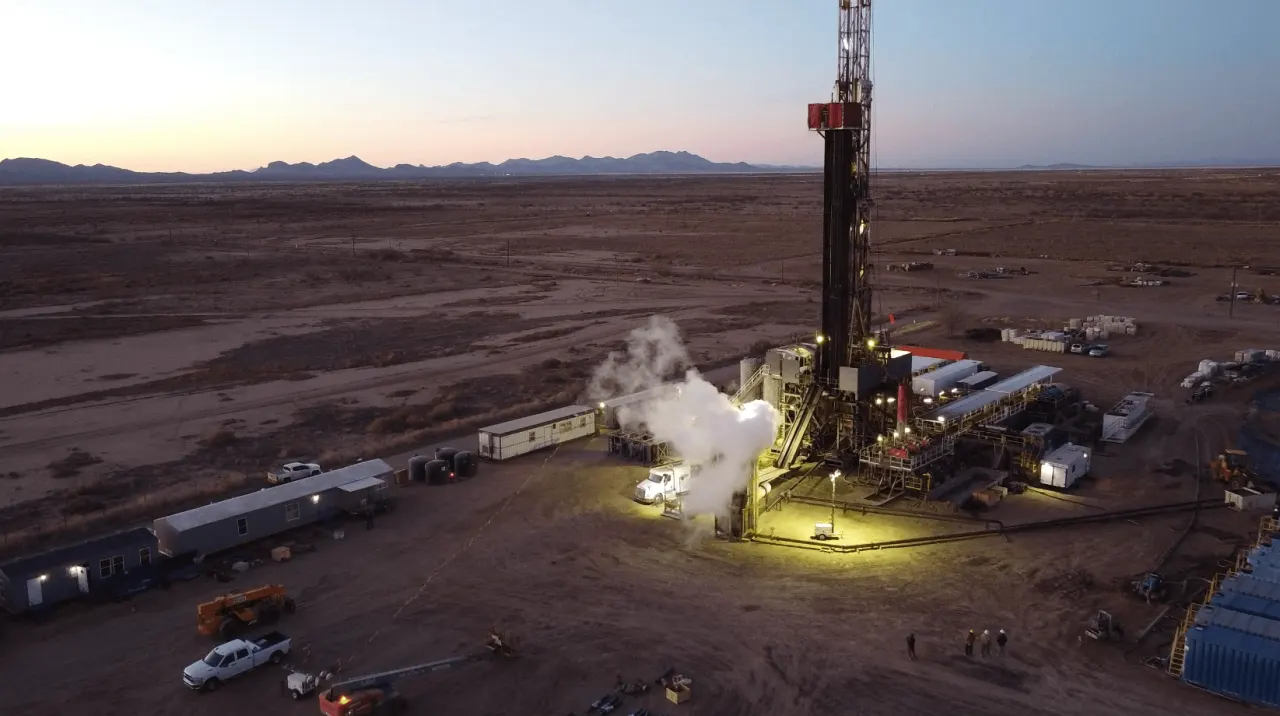
Geothermal firm Zanskar has revived a struggling power plant in New Mexico by drilling a deeper well, turning what looked like a failing site into one of the most productive pumped geothermal wells in the United States. The company bought the Lightning Dock plant in 2024 after its shallow wells suffered an unusually steep decline in heat output, and its recovery is being cited as evidence that old geothermal sites deserve fresh investment rather than abandonment, at a time when the long-overlooked sector is attracting renewed interest.
When Zanskar acquired the site, wells shallower than 2,500 feet had cooled by around 50°F to about 250°F, well below the 300°F needed to run the 15-megawatt plant that supplies New Mexico's largest utility, with heat being lost five to ten times faster than at typical wells. The company used artificial intelligence to model likely "hidden" geothermal potential and combined this with drilling technology adapted from the oil and gas industry, allowing it to drill a new 8,000-foot well 35% faster and at a competitive cost. After a full year of operation, that well has restored heat levels above their pre-decline point, though experts note that drilling deeper is costly and not every ageing well will offer the same economics.
In short
- Zanskar revived a failing New Mexico geothermal plant with a deeper well.
- AI modelling and oil-industry drilling tech cut costs and drilling time.
- Success suggests old geothermal wells may be worth redrilling, not writing off.
Steelman: both sides, in good faith
The strongest fair case each way — we don't pick a winner.
The case for
The revival suggests that ageing geothermal sites may retain deeper heat even when shallow wells decline, and that improved modelling and drilling can make this resource commercially useful. Reinvesting in existing plants could extend low-carbon electricity supplies and make better use of infrastructure already connected to the grid.
The case against
One successful well does not show that deeper drilling will pay off at other ageing sites, where geology and costs may differ. Drilling remains expensive, and directing capital towards uncertain projects could divert investment from more reliable ways to provide low-carbon power.
Explained simply
Geothermal power plants harness heat from beneath the earth's surface to generate electricity. The Lightning Dock plant in New Mexico relied on this method for decades, but its shallow wells gradually lost their heat output, eventually becoming too cool to power the facility efficiently. The plant supplies electricity to one of the state's largest utilities.
A geothermal company called Zanskar purchased the struggling plant in 2024 and tried a different strategy than simply abandoning it. The firm used computer modelling to search for heat sources deeper underground and adapted drilling technology from the oil and gas industry to drill a new, much deeper well. After a full year of operation, the deeper well has restored productive heat levels to the site.
The Lightning Dock recovery matters because geothermal energy had been largely neglected in recent years, with many ageing plants closed down when they faced problems. This success suggests that older geothermal sites might be candidates for new investment and updated technology rather than permanent retirement, though experts note that drilling deeper is expensive and won't necessarily work at every location.
Americas Art Business Companies Culture World