World news and discussion on TalkFuse.
Carling waters down alcohol content of its famous lager to 3.4% as it looks to cut costs
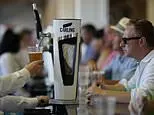
Carling, one of the UK's best-selling lagers, has reduced the alcohol content of its beer to 3.4% ABV, with the brewer citing cost-cutting as the driving factor behind the change. The move reflects wider pressures facing drinks manufacturers, who are looking for ways to manage rising costs amid a difficult trading environment for the brewing industry.
Lowering a beer's alcohol by volume can also reduce the amount of alcohol duty a brewer must pay under the UK's strength-based tax system, making such reductions a common cost-saving tactic. Full details of the change, including the previous ABV level and when the new recipe will reach shelves, were not specified in the available report.
In short
- Carling lager's alcohol content cut to 3.4% ABV.
- Change is aimed at reducing production costs.
- Lower ABV can also cut alcohol duty payments.
Steelman: both sides, in good faith
The strongest fair case each way — we don't pick a winner.
The case for
Reformulating the recipe is a pragmatic response to a genuinely difficult trading environment, with rising ingredient, energy and duty costs squeezing brewers' margins; a modest reduction in strength is a transparent, lawful adjustment rather than a hidden con, and it aligns with a broader consumer shift towards lower-alcohol drinking. Advocates would argue this keeps a much-loved, affordably priced beer on the market at all, protecting jobs and pub trade that might otherwise be lost if the product became unviable or had to be priced out of reach.
The case against
Critics would counter that quietly cutting alcohol content while keeping the price the same is a form of stealth shrinkflation that shortchanges loyal drinkers who chose Carling specifically for its familiar strength and taste. They would argue that customers deserve clear, prominent disclosure and perhaps a price adjustment to match, since altering a well-known product's fundamental character to protect company margins, without drawing attention to the change, risks eroding consumer trust even if it is technically legal.
Explained simply
Carling is one of the UK's best-selling lagers, widely available across pubs, bars and supermarkets. It has been a familiar feature of British drinking culture for many years.
In the UK, alcoholic drinks are subject to duty – a tax levied by the government based on the strength of the drink. A beer with lower alcohol by volume therefore incurs a lower tax bill, which can meaningfully reduce a brewer's production costs.
When drinks manufacturers face cost pressures from inflation and wider economic challenges, they may seek to reduce their expenses through recipe adjustments. Lowering alcohol strength is a relatively discreet cost-saving method compared to raising prices, which helps explain why brewers pursue such changes.
Americas Business Markets World