WATCH: Rand Paul says there’s one thing Americans have never heard from Fauci
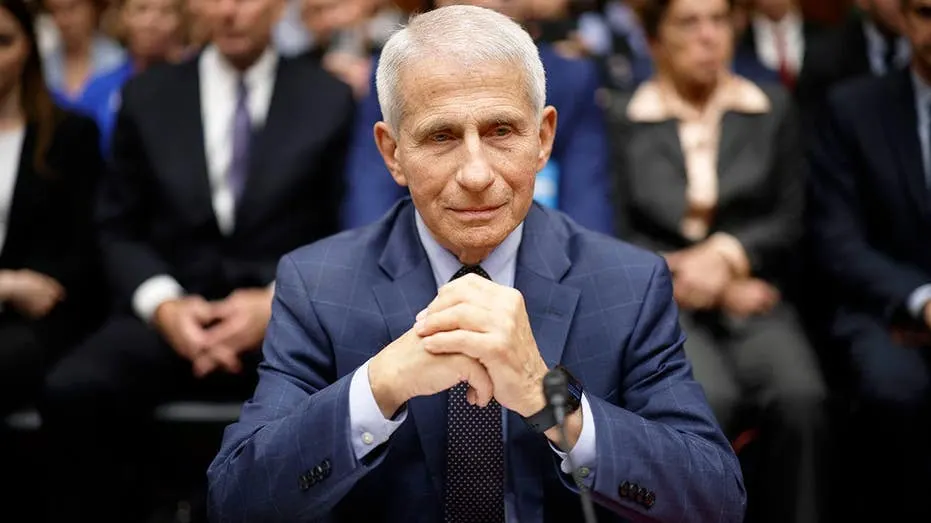
Republican Senator Rand Paul has said Dr Anthony Fauci owes Americans an apology ahead of a scheduled Senate hearing, arguing that in years of media appearances and previous congressional testimony Fauci has never expressed regret. The comments come as Fauci, who led the United States' public health response to Covid-19 under two different presidential administrations, prepares to face renewed scrutiny from lawmakers over his handling of the pandemic and, in particular, decisions around gain-of-function research funding.
Paul, a longtime and vocal critic of Fauci, specifically referenced funding for what he described as "dangerous research", a reference to the long-running controversy over US-backed virus research and its possible links to the pandemic's origins. The remarks were made in the lead-up to a Wednesday Senate hearing, which follows separate reports of contradictions emerging from Fauci's personal diary entries relating to the Covid-19 response.
In short
- Rand Paul says Fauci has never apologised despite years of scrutiny.
- Comments precede a Senate hearing on Fauci's Covid-19 response.
- Paul links criticism to funding of gain-of-function research.
Steelman: both sides, in good faith
The strongest fair case each way — we don't pick a winner.
The case for
Fauci held enormous influence over pandemic policy affecting millions of Americans, yet has resisted acknowledging where his decisions may have caused harm or proved mistaken. His funding of gain-of-function research—which he was not transparent about with Congress—may have directly contributed to the pandemic he then guided the response to. A public health official of his stature bears responsibility to demonstrate accountability and humility when evidence suggests errors, as this builds the trust necessary for future crises; his refusal to express regret appears to prioritise institutional protection over transparency.
The case against
Fauci made difficult decisions during an unprecedented global crisis using the best available evidence at the time, and second-guessing those choices with hindsight is unfair. The gain-of-function research question remains scientifically contested, not proven as the pandemic's cause. Public health officials must communicate with appropriate confidence during emergencies to maintain cooperation; demanding apologies for good-faith decisions undermines this role and discourages future officials from serving critically. Substantive policy debate is valuable, but ritualistic demands for apologies are political theatre rather than constructive governance.
Explained simply
Dr Anthony Fauci led America's public health response to Covid-19 under two presidential administrations, becoming prominent through media appearances and congressional testimony. Republican Senator Rand Paul has been a vocal critic of his approach to pandemic response decisions.
A central point of dispute concerns US government funding for virus research, particularly work designed to make viruses more transmissible, known as gain-of-function research. Paul and others have questioned whether such research could have contributed to the pandemic's origins, and argue that Fauci should acknowledge responsibility for these funding decisions. Fauci and his supporters maintain that such research is important for pandemic preparedness.
Questions about how the pandemic began and which government decisions were appropriate remain politically contentious. This reflects broader concerns about scientific oversight, government accountability, and how public health responses should be managed during crises.