Culture news and discussion on TalkFuse.
ABC’s 9-Part Crime Series Is Officially Dominating Hulu
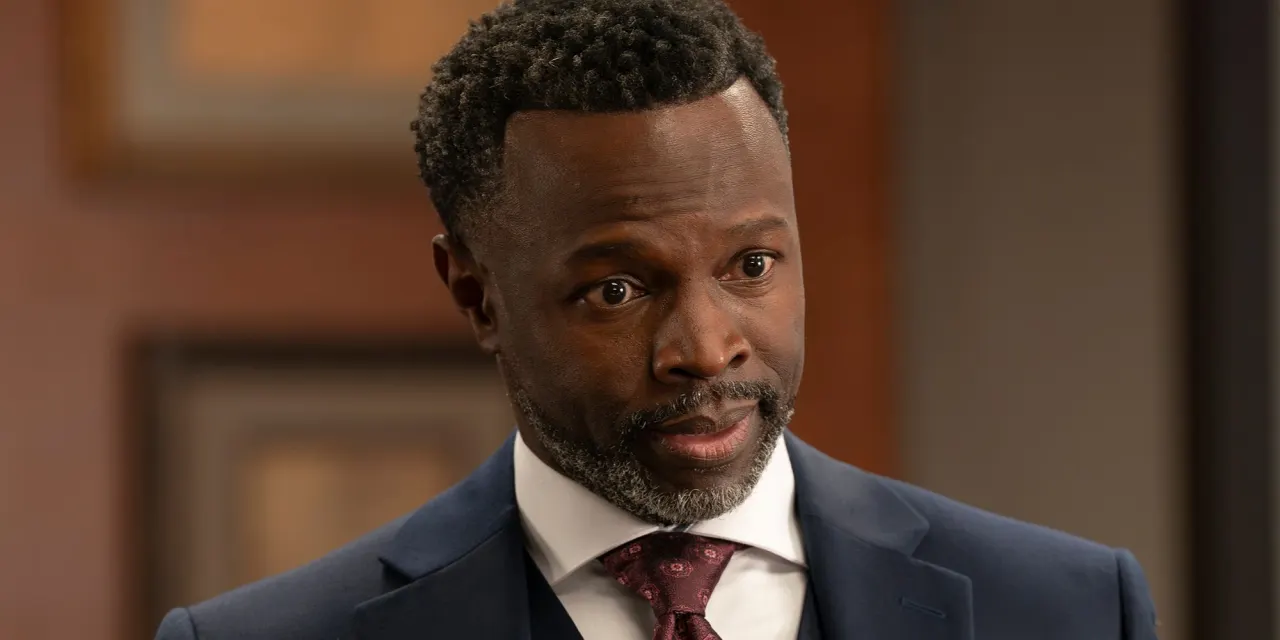
ABC's police procedural The Rookie is enjoying a surge in popularity, driven largely by younger viewers who are rediscovering traditional network television. Although ABC trails CBS overall in total viewers, its scripted line-up—including High Potential, The Rookie and 9-1-1—has proven especially appealing to Gen Z audiences, fuelling renewed demand for longer, 22-episode seasons that offer the "comfort" of familiar characters over time, something streaming's shorter runs cannot replicate.
The Nathan Fillion-led series, created by Alexi Hawley, has built a large social media following and a global fanbase, with international broadcasters such as Norway's TV2 and Canada's Crave licensing the show alongside its Netflix presence. It has also performed strongly on premium video-on-demand platforms, reaching the top ten on iTunes' global streaming chart and peaking at number five in the past week alone. This sustained demand comes as fans await the show's ninth season.
In short
- The Rookie is surging in popularity, especially among Gen Z viewers.
- It ranks highly on global streaming and PVOD charts, peaking at #5 on iTunes.
- ABC trails CBS overall but leads in attracting younger audiences.
Explained simply
The Rookie is a police drama on American broadcaster ABC that follows officers and detectives in a large city police department. In recent times, the show has experienced a noticeable surge in viewership, particularly among younger viewers who traditionally favour streaming services rather than traditional network television.
The series performs well on various digital platforms where viewers can watch on demand, and it has attracted a substantial following through social media and word of mouth. Its popularity stands out because younger audiences appear to be rediscovering traditional network television, drawn by established characters and longer seasons that build familiarity over time.
The story matters because it suggests that conventional broadcast television remains relevant and competitive even as streaming services dominate the entertainment landscape. It also indicates that audiences value the sustained storytelling of traditional television seasons compared to the shorter episode runs offered by many streaming platforms.