8 Worst Movies That Won Multiple Oscars
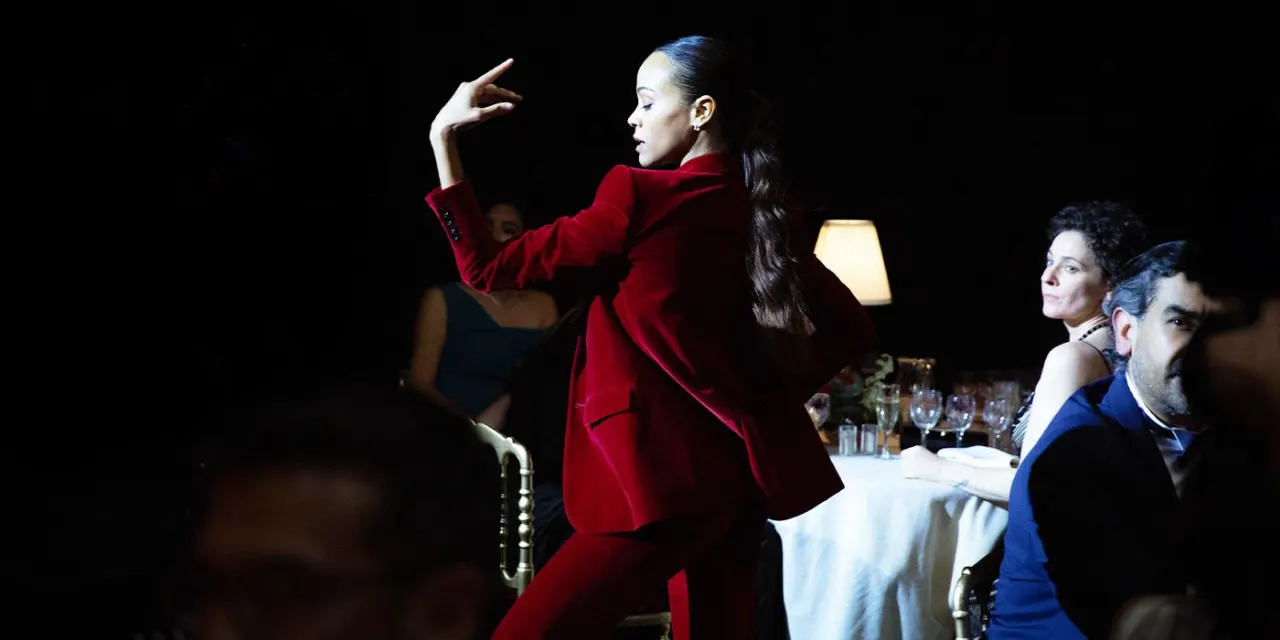
This Collider feature by Diego Pineda Pacheco compiles a list of films the author considers unworthy of the multiple Academy Awards they won, arguing that while a film picking up two or more Oscars is usually a mark of quality, a handful of exceptions have tarnished the ceremony's reputation. The piece blends recent, widely panned examples with older winners the author feels have aged badly, using critical reception and retrospective analysis to make the case against each.
Early entries include "The Iron Lady" (2011), which won Best Makeup and Hairstyling and gave Meryl Streep her third Oscar despite a 51% Rotten Tomatoes score and a performance the author calls cartoonish, and "One Night of Love" (1934), an early Best Sound Recording and Best Original Score winner deemed dated and clichéd. The article also cites "Anthony Adverse" (1936) as part of a broader claim that the 1930s produced a disproportionate share of weak Oscar winners, and references "Emilia Pérez" as a more recent, widely panned multiple-Oscar recipient, with a total of eight films covered across the full list.
- Collider lists eight Oscar winners it considers surprisingly weak films.
- "The Iron Lady" and "One Night of Love" among those singled out.
- Author argues multiple wins don't always reflect genuine quality.
New here? Start with this
The Academy Awards, commonly known as the Oscars, are widely regarded as the most prestigious honours in cinema. A film that wins multiple Oscars is usually considered a mark of quality and artistic achievement.
However, not every film that has received multiple Oscar wins has aged well or maintained critical respect. A Collider article examines eight films that won two or more Oscars but which the author argues are unworthy of those accolades, having either been poorly received at the time or fallen from favour with subsequent critical reassessment.
The list spans decades of Academy history, from "One Night of Love" in 1934 to more recent examples like "Emilia Pérez". By comparing older winners that are now considered dated with contemporary films that received widespread criticism, the article suggests that the Oscars have not always been reliable judges of lasting cinematic quality.
Both sides, in good faith
The strongest fair case each way — we don't pick a winner.
The case for
Films like 'The Iron Lady' with weak critical reception and 'Emilia Pérez' with widespread panning demonstrate that the Academy sometimes honours mediocre work. When multiple Oscars go to films that lack genuine artistic merit or fail to age well, it suggests voting is driven by temporary trends rather than rigorous quality standards. This pattern damages the Academy's credibility and the significance of its awards.
The case against
Oscar voting reflects the Academy's thoughtful assessment of multifaceted artistic criteria—technical mastery, innovation, and cultural resonance—that individual critics may overlook. A film's retrospective reassessment does not negate its legitimate merits at the time of voting; context matters significantly in evaluating the Academy's choices. Since artistic merit is inherently subjective, labelling these Oscar wins as mistakes imposes a particular critical perspective rather than acknowledging competing reasonable standards of excellence.