Culture news and discussion on TalkFuse.
Trump, DOJ appeal E. Jean Carroll defamation suit verdict to Supreme Court
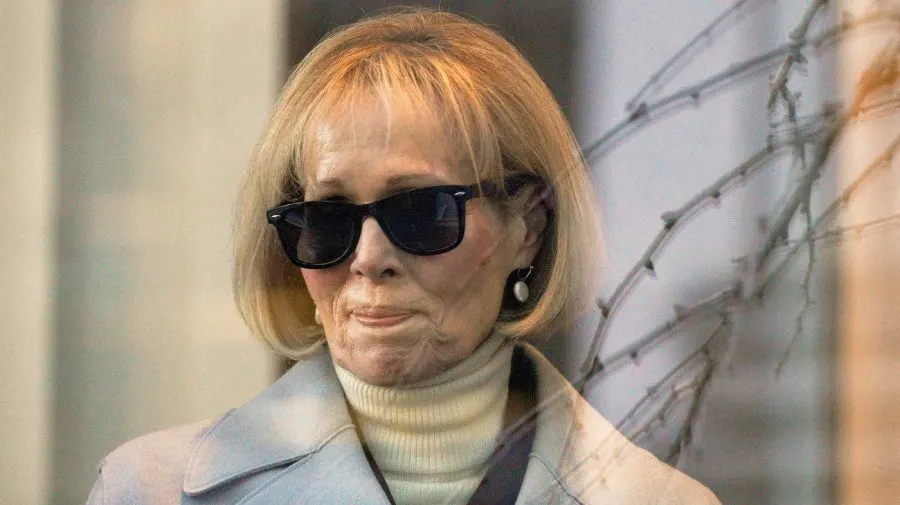
The article’s text is unavailable because the page is blocked, so I cannot reliably summarise its contents without risking inaccuracies. The headline indicates that Donald Trump and the US Department of Justice are appealing an E. Jean Carroll defamation verdict to the Supreme Court.
The dispute concerns Carroll’s claim that Trump defamed her when denying her allegation of sexual assault. An appeal to the Supreme Court would be significant because it could affect the verdict and raise questions about presidential immunity or the scope of federal liability.
In short
- Article text was inaccessible, preventing a reliable detailed summary.
- Headline says Trump and DOJ are appealing Carroll’s defamation verdict.
- The case concerns Trump’s denial of Carroll’s assault allegation.
Steelman: both sides, in good faith
The strongest fair case each way — we don't pick a winner.
The case for
Those supporting the appeal contend that presidents require broad immunity to perform their duties effectively and speak freely on matters of public concern without fear of defamation suits. They argue that subjecting presidents to such litigation risks chilling legitimate political discourse, distracting from governance, and creating opportunities to weaponise defamation law against political figures. From their perspective, protecting presidential speech—even on contested factual matters—is essential to the functioning of the executive.
The case against
Those opposing the appeal argue that no person, regardless of position, should be immune from accountability when making demonstrably false statements that cause harm. They emphasise that personal defamation liability differs from immunity for official acts, and that maintaining this distinction is essential to the rule of law. They contend that broad immunity would deny victims redress and undermine democratic accountability, rather than protect legitimate presidential function.
Explained simply
E. Jean Carroll is a magazine writer and advice columnist who alleged that Donald Trump sexually assaulted her in the 1990s. Trump denied her allegation in public statements, which Carroll claimed defamed her and damaged her reputation.
A lower court found Trump liable for defaming Carroll and ordered him to pay damages. The case concerns whether Trump's public denials of her allegations constituted defamation, a legal wrong that occurs when false statements harm someone's reputation.
An appeal to the Supreme Court would be significant as its decision could influence how defamation law applies to prominent figures in future disputes. The involvement of the Department of Justice in the appeal, alongside Trump, suggests the case may also touch on broader questions about federal authority and liability.
Art Business Culture Government Markets Politics