Entertainment news and discussion on TalkFuse.
Netflix edges past the BBC in latest UK audience survey
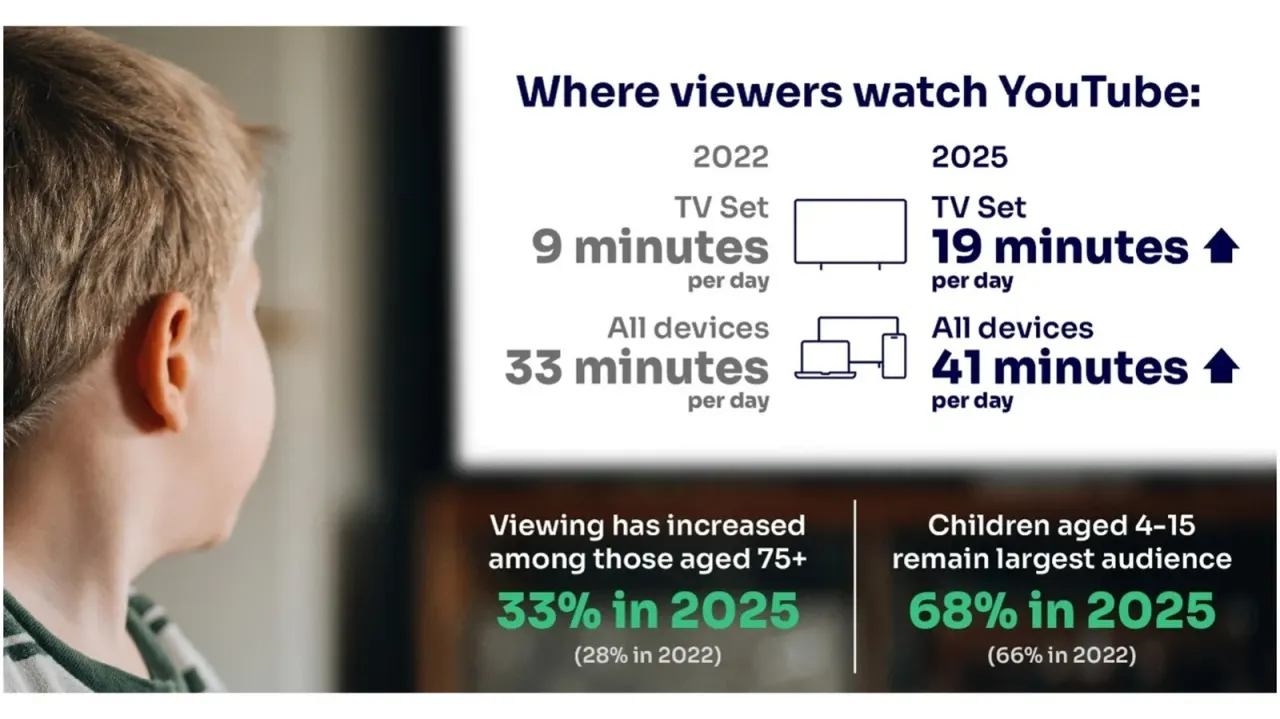
Ofcom's latest annual report on UK media habits shows Netflix has overtaken the BBC as viewers' preferred default choice for the first time, a symbolic shift given the BBC's decades-long dominance of British broadcasting. The finding underlines how streaming services are reshaping viewing habits, particularly among younger and middle-aged audiences, and adds pressure on traditional broadcasters already grappling with declining reach and revenue.
Ofcom's data puts Netflix as the default option for 26% of viewers, narrowly ahead of the BBC on 25% and ITV on 15%, with Netflix particularly dominant among 25 to 34-year-olds. YouTube is also surging, especially with 16 to 24-year-olds and the over-75s, with viewing minutes on the platform doubling since 2022. The report landed the same day the BBC announced it would axe shows including Blankety Blank, Celebrity Mastermind and Live at the Apollo, part of a plan to save £500 million ($664 million) over five years by cutting around 150 hours of original programming by 2028.
In short
- Netflix overtakes BBC as Britons' default viewing choice, Ofcom finds
- YouTube viewing has doubled since 2022, especially among young and elderly
- BBC to cut 150 hours of shows, saving £500m amid streaming competition
Steelman: both sides, in good faith
The strongest fair case each way — we don't pick a winner.
The case for
Netflix overtaking the BBC as viewers’ default choice reflects audiences valuing on-demand access, a broad catalogue and services that fit different schedules and interests. Competition from streaming may encourage broadcasters to improve their offerings and adapt to changing habits, particularly among younger viewers.
The case against
The BBC’s broad reach and original programming have long served audiences across age groups, while its public-service role is not measured by default preference alone. If traditional broadcasters respond to competition by cutting programmes, viewers could lose distinctive content and shared national experiences that commercial platforms may have less reason to provide.
Explained simply
Ofcom, the UK's media regulator, has released its latest survey of viewing habits. The data shows that Netflix has become the most popular default choice for viewers at 26 per cent, narrowly surpassing the BBC at 25 per cent. This is significant because the BBC has dominated British broadcasting for decades, and this is the first time a streaming service has topped such rankings.
The change reflects how viewing habits are shifting, particularly among younger audiences who prefer to watch programmes when they choose rather than on a fixed schedule. Traditional broadcasters like the BBC and ITV are under growing pressure as viewers increasingly turn to streaming platforms like Netflix for entertainment.
Video platforms like YouTube are also experiencing significant growth in viewing time. The overall picture shows that how British people watch television is undergoing a fundamental shift as streaming services replace traditional scheduled broadcasting.