World news and discussion on TalkFuse.
Trump’s evolving China rhetoric raises eyebrows over TikTok strategy amid scorching election meddling warning
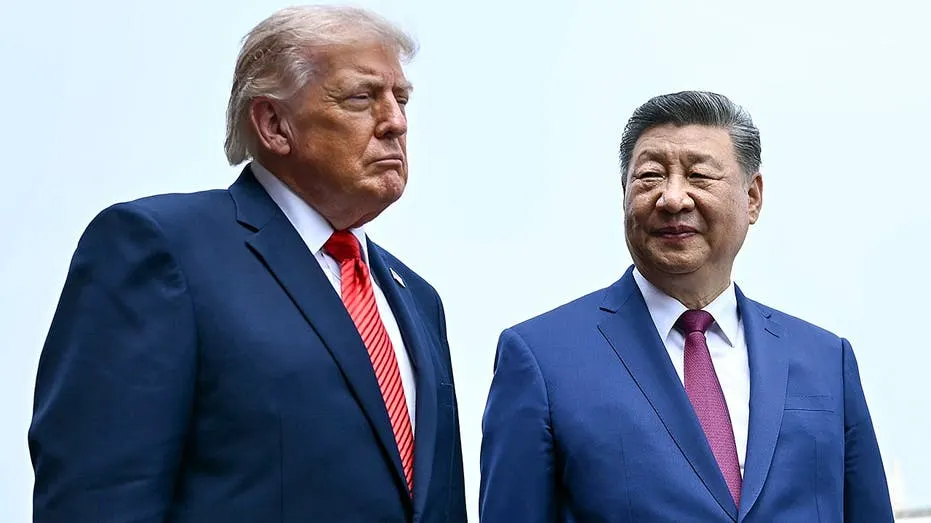
President Trump shifted markedly toward a more conciliatory stance on China shortly after publicly alleging that Beijing attempted to meddle in American elections. The timing of this rhetorical reversal has drawn scrutiny regarding the coherence of the Trump administration's approach to one of America's most significant geopolitical rivals.
The inconsistency extends to TikTok policy, where the administration allows the Chinese-owned platform to operate domestically even whilst raising alarms about Chinese interference in US elections. This dual approach—warning of electoral threats from Beijing whilst maintaining commercial engagement with a Chinese technology company—has fuelled questions about whether the administration is pursuing a deliberate strategy or adjusting positions based on shifting political considerations.
In short
- Trump publicly accused China of 'sinister election meddling' mid-July, then adopted a notably softer tone toward Beijing days later
- The administration permits TikTok operations in the US whilst simultaneously warning about Chinese electoral threats
Steelman: both sides, in good faith
The strongest fair case each way — we don't pick a winner.
The case for
The administration's approach reflects pragmatic geopolitical strategy rather than incoherence. Maintaining diplomatic and commercial channels with rival powers serves broader strategic interests, and rhetorical flexibility is a standard negotiating tool. On TikTok specifically, an outright ban presents constitutional and practical difficulties, whilst regulated operation allows oversight and monitoring that prohibition would forfeit. Shifting tone after initial statements represents realistic calibration to diplomatic circumstances rather than abandonment of principle.
The case against
The apparent contradiction between alleging Chinese election interference and permitting a major Chinese-owned platform to operate domestically undermines the credibility of the security threat claim. If Beijing poses a genuine electoral risk, allowing TikTok—which collects extensive user data and shapes information consumption for millions of Americans—seems to contradict that assessment entirely. The timing of the rhetorical softening following the meddling allegations suggests capitulation to other pressures rather than coherent policy, particularly given previous administration hardline positioning.
Explained simply
The relationship between the United States and China involves competition across trade, military capabilities and technology. American officials have grown increasingly concerned about Chinese influence on US institutions, particularly regarding elections and national security.
TikTok is a popular social media platform owned by a Chinese company, making it central to debates about Chinese access to American data and influence over American users. Some US politicians worry the platform could be exploited to advance Chinese interests or interfere in American democracy.
These concerns about Chinese power create expectations that American policy toward China should be consistent and coherent. When an administration simultaneously warns about Chinese election interference whilst allowing Chinese-owned technology companies to operate in the US, it raises questions about whether the underlying strategy is clear or driven by other political considerations.
Asia Elections Politics Trending Weird & Viral World