Culture news and discussion on TalkFuse.
Close call at Atlanta airport forces Delta anti-collision alarms to sound
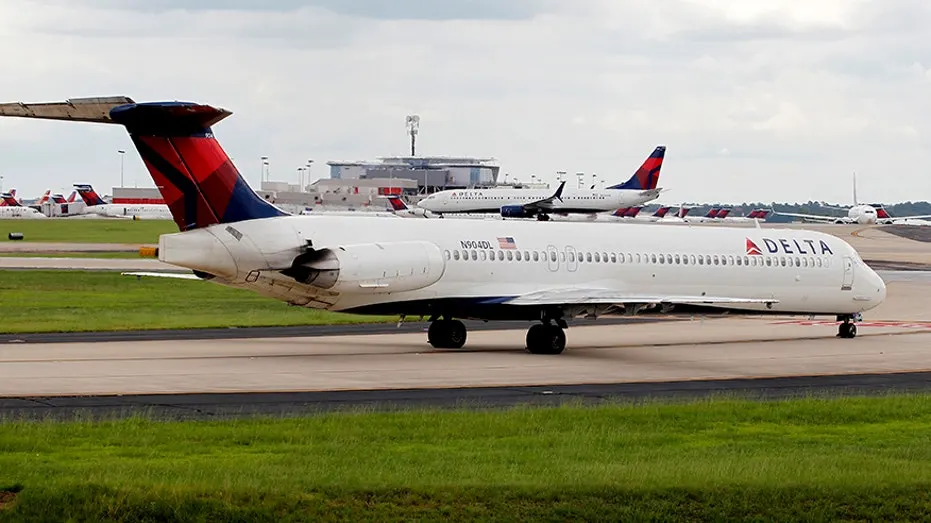
Two Delta Air Lines aircraft came dangerously close to one another at Atlanta's Hartsfield-Jackson International Airport, triggering cockpit anti-collision alarms in a frightening near miss that is now under federal investigation. The incident is significant because it raises fresh questions about safety margins and air traffic procedures at one of the world's busiest airports, coming amid heightened scrutiny of near misses in US airspace.
The FAA confirmed the incident took place at around 11pm on Monday, involving Delta flights including Flight 2472, which was departing Hartsfield-Jackson at the time. The agency said it is investigating the circumstances of the close call, though further details on the exact separation distance and cause had not yet been released.
In short
- Two Delta jets nearly collided at Atlanta's Hartsfield-Jackson airport
- Cockpit anti-collision alarms sounded around 11pm Monday
- FAA has launched an investigation into the near miss
Explained simply
A near miss occurs when two aircraft come dangerously close to one another, triggering warning systems designed to prevent collisions. At Hartsfield-Jackson International Airport in Atlanta—one of the world's busiest airports—two Delta aircraft came so close that their cockpit anti-collision alarms sounded, raising immediate safety concerns.
Aircraft are required to maintain strict safety distances from one another, especially at busy airports where multiple flights are taking off and landing simultaneously. These procedures are designed to ensure collisions are impossible, and alarm systems alert pilots when the prescribed separation is breached.
This incident is significant because it has added to growing concerns about safety in US airspace. In recent years, reports of aircraft coming uncomfortably close to one another have increased, prompting regulators to question whether current procedures and traffic management are adequate for the volume of modern air traffic.