World news and discussion on TalkFuse.
Supreme Court deadline passes for Trump to ask for birthright citizenship reconsideration
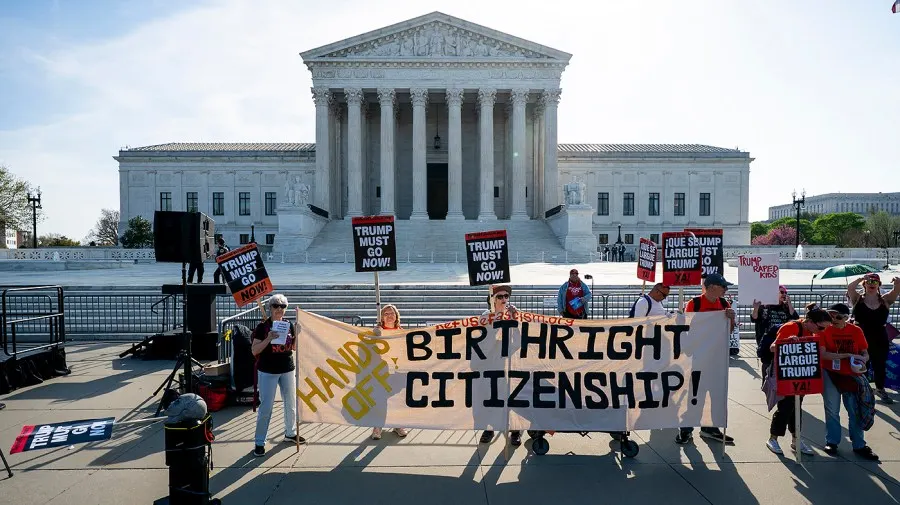
The deadline for the Trump administration to ask the US Supreme Court to reconsider its ruling on birthright citizenship has passed without a filing appearing on the court’s docket. This matters because the court’s decision blocked President Trump’s attempt to restrict automatic citizenship for certain US-born children, leaving that ruling in place unless pursued through other legal or legislative routes.
The Supreme Court ruled 6–3 in June against Trump’s executive order, which sought to deny citizenship to children born in the US to parents who were in the country unlawfully or temporarily. Trump had said he would seek an immediate rehearing, but the 25-day period expired; such requests are rarely granted, with the court last changing an opinion after rehearing in 1965.
In short
- Trump missed the deadline to seek a Supreme Court rehearing.
- The ruling against his birthright citizenship order remains in place.
- Rehearings of decided Supreme Court cases are exceptionally rare.
Steelman: both sides, in good faith
The strongest fair case each way — we don't pick a winner.
The case for
Supporters of restricting birthright citizenship argue that the constitutional guarantee was not intended to cover children of people who are in the country unlawfully or only temporarily. They see the executive order as a legitimate attempt to clarify the rule, uphold immigration controls and address what they regard as incentives for irregular migration.
The case against
Opponents argue that the Fourteenth Amendment establishes citizenship for nearly everyone born on US soil, regardless of their parents’ immigration status, and that this settled guarantee should not be narrowed by executive order. They stress that a change could leave some US-born children without secure citizenship and say any alteration should come through constitutional interpretation consistent with the text or through the amendment process.
Explained simply
Birthright citizenship is the automatic right to become a US citizen if you are born on American soil, regardless of your parents' immigration status. This right has been in place for over 150 years and applies to hundreds of thousands of people born in the US each year.
President Trump issued an executive order attempting to restrict this right for children born to parents who were in the country unlawfully or on temporary visas. He argued this would discourage illegal immigration, but the rule immediately faced legal challenges from civil rights groups and others who said it violated the Constitution.
The Supreme Court rejected Trump's attempt in a 6–3 ruling in June, finding the policy conflicted with the constitutional guarantee of citizenship to those born in the US. This decision left the existing birthright citizenship rules unchanged, though future efforts to alter them could still proceed through other legal or legislative channels.
Americas Art Culture Government Politics World