Video games news, releases, esports and culture — all the biggest gaming stories in one place.
Two devs made a game in 4 months, now it’s made $360,000 in 24 hours as Steam’s 15th best-selling game: “Still a bit unbelievable”
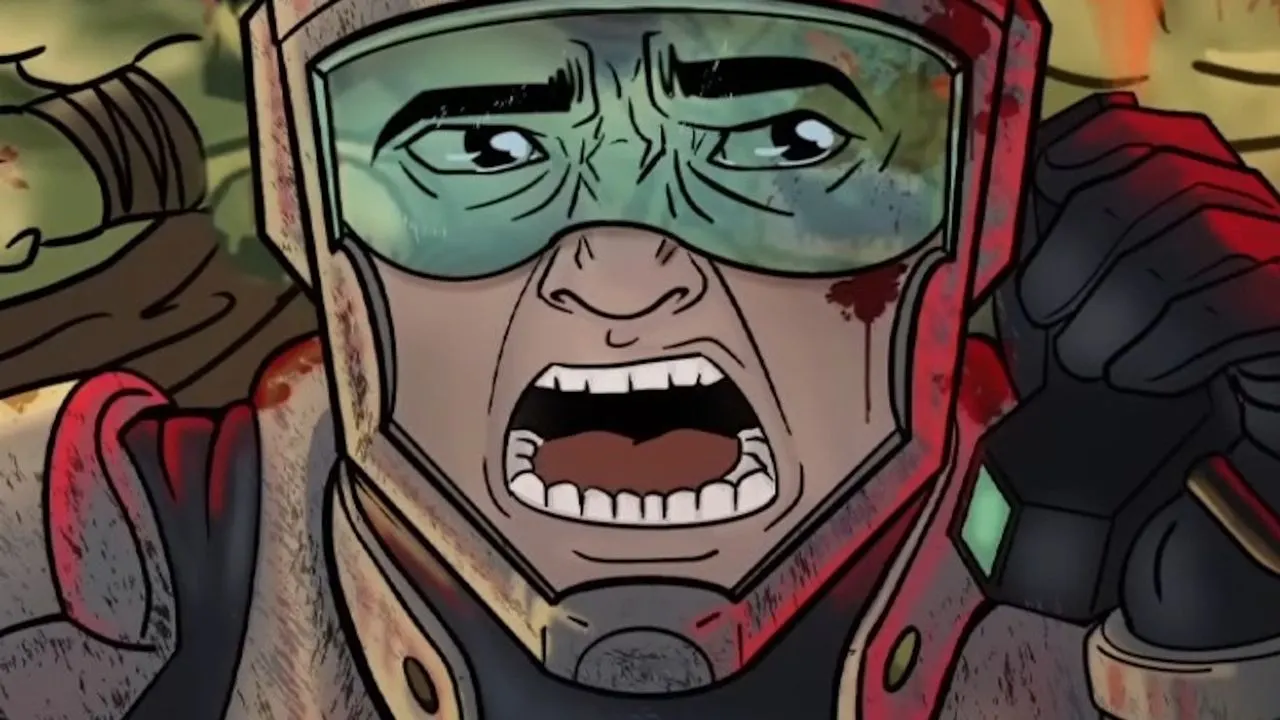
A small two-person development team has seen their newly released game rocket up Steam's sales charts, earning around $360,000 in its first 24 hours on sale and reaching 15th place among the platform's best-selling titles. The game was reportedly built in just four months, making its rapid commercial success particularly striking for such a small studio and short development cycle. One of the developers described the reception as "still a bit unbelievable," reflecting the surprise at how quickly the title has taken off.
Full details of the game's genre, name and specific sales mechanics were not available in the retrieved article text, which was largely limited to the headline and site formatting data. However, the core reported figures — a two-person team, a four-month development period, roughly $360,000 in revenue within a single day, and a top-15 Steam bestseller ranking — indicate a notable breakout success in the independent games market.
In short
- Two-person dev team's game earned ~$360,000 in 24 hours on Steam.
- Game reached 15th on Steam's best-seller chart after just four months' development.
- Developer called the success "still a bit unbelievable."
Explained simply
Steam is the largest digital marketplace for PC games, where millions of players browse and purchase new titles. Success on Steam's sales charts is a major achievement for any developer, as it indicates strong consumer demand and provides valuable market exposure.
Independent game developers, or "indies," are typically small teams or solo creators working outside large publishing companies with limited budgets and marketing resources. A two-person studio represents the smallest scale of game development, where both financial and practical constraints are severe.
When very small independent teams rapidly create games that achieve significant commercial success, it challenges conventional wisdom about what is required to break through in the games industry. These unexpected success stories attract attention because they suggest opportunities still exist for small creators, despite the industry being dominated by large well-funded studios.