ICE arrests more than 900 suspected human traffickers during FIFA World Cup, rescues 180 victims: DHS
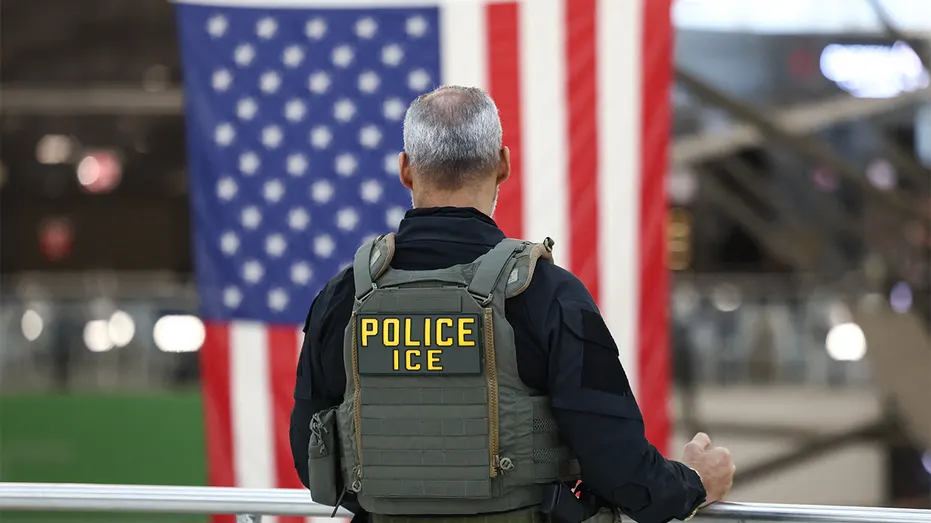
The US Department of Homeland Security says Immigration and Customs Enforcement (ICE) arrested more than 900 suspected human traffickers during the FIFA World Cup, part of a wider federal security effort during the tournament. Officials also reported that 180 trafficking victims were rescued, highlighting concerns that major international sporting events can attract exploitation and trafficking activity alongside large influxes of visitors.
The operation ran alongside broader security measures for the World Cup, which FBI Director Kash Patel said achieved "zero major incidents", a record he attributed to preparations under President Trump's administration and the deployment of more than 5,000 personnel. Patel also cited an expanded drone programme developed to counter potential threats, part of what officials describe as a coordinated, proactive approach to safeguarding the event.
- ICE arrested over 900 suspected traffickers during FIFA World Cup
- 180 trafficking victims were rescued, DHS says
- FBI reports zero major security incidents, credits 5,000+ personnel deployment
New here? Start with this
Human trafficking involves forcing or deceiving people into situations of exploitation, often for forced labour or sexual abuse. It is a serious crime that exists across the world, even in wealthy nations.
Large international sporting events attract millions of visitors and create environments that law enforcement agencies say can provide opportunities for trafficking networks. The FIFA World Cup is one of the world's largest sporting tournaments and typically involves heightened security measures across the host nation.
Immigration and Customs Enforcement (ICE) is a federal law enforcement agency that investigates crimes related to immigration and human trafficking. As part of the Department of Homeland Security, it operates with other federal agencies to enforce immigration law and protect vulnerable people.
Both sides, in good faith
The strongest fair case each way — we don't pick a winner.
The case for
Supporters of the operation argue that large events can create opportunities for traffickers, so deploying investigators and security staff at scale is a prudent way to protect vulnerable people and respond quickly to threats. They point to the arrests and reported rescues as evidence that focused enforcement can identify suspected exploitation and safeguard victims, while coordinated planning can help keep the event safe.
The case against
Critics could accept the need to combat trafficking while questioning whether arrest totals and claims of rescues, without further detail, show how effectively victims were protected or whether suspects were fairly and accurately identified. They may also argue that a large security deployment and expanded surveillance deserve scrutiny for their costs, civil-liberty implications and the strength of evidence linking major sporting events to increased trafficking.