Politics news and discussion on TalkFuse.
Reporter’s Notebook: Rand Paul’s contempt vote crusade could be doomed despite Fauci pleading Fifth 111 times
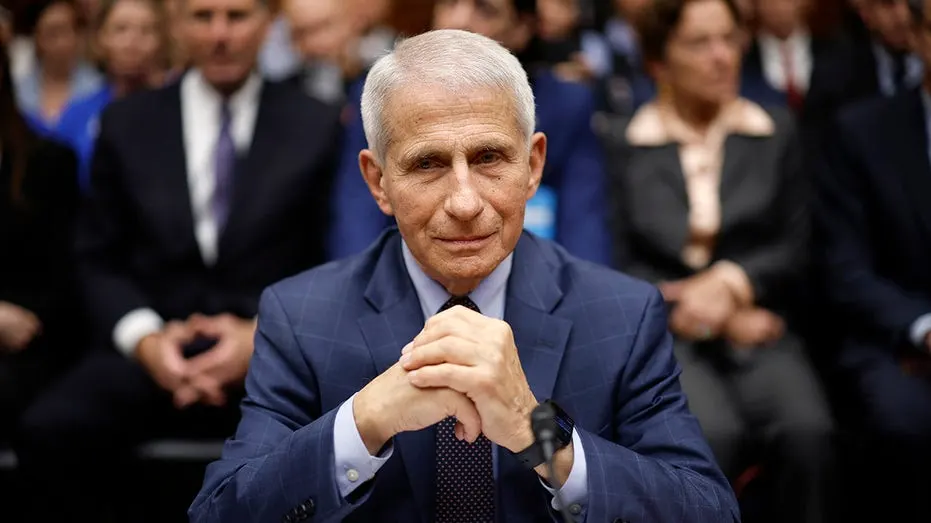
Senator Rand Paul, chairman of the Senate Homeland Security and Governmental Affairs Committee, has announced he will schedule a committee vote to hold Dr Anthony Fauci in contempt of Congress after Fauci invoked his Fifth Amendment right against self-incrimination 111 times during a hearing. The move reflects deepening Republican frustration with Fauci over his handling of the Covid-19 pandemic, though the article notes the effort faces significant obstacles and may ultimately fail to succeed.
The contempt vote is expected to take place in committee next week, but a vote in favour would not guarantee any binding consequence, as such measures typically require further action, such as referral to the full Senate or the Department of Justice, to have legal force. The hearing itself grew heated, with Fauci's attorney reportedly ejected after a confrontational exchange with committee members, and Republican senators voicing sharp criticism of Fauci's repeated refusal to answer questions.
In short
- Rand Paul to hold committee vote on contempt charge against Fauci.
- Fauci invoked the Fifth Amendment 111 times at hearing.
- Fauci's attorney was ejected amid a heated exchange.
Steelman: both sides, in good faith
The strongest fair case each way — we don't pick a winner.
The case for
Supporters of the contempt effort argue that Congress must be able to obtain relevant evidence when investigating the government’s pandemic response, and that repeated refusals to answer can undermine legislative oversight. They may see a committee vote as a way to demonstrate accountability and press for further action, while recognising that invoking the Fifth Amendment is a legal right rather than proof of wrongdoing.
The case against
Opponents argue that the Fifth Amendment protects people from being compelled to give potentially self-incriminating testimony, and that invoking it—even repeatedly—is not itself evidence of guilt or a proper basis for punishment. They may also contend that a contempt vote risks turning oversight into political retaliation, particularly when the vote alone carries no binding consequence and further legal steps would be required.
Explained simply
Dr Anthony Fauci served as chief medical adviser to the United States during the Covid-19 pandemic. Senator Rand Paul, a Republican member of the Senate, has been a vocal critic of Fauci's pandemic policies for several years.
Tension between the two came to a head during a recent congressional hearing where Fauci invoked his Fifth Amendment right, which allows someone to refuse to answer questions if they believe doing so might incriminate them. This refusal to answer questions has prompted Republican lawmakers to consider a contempt of Congress measure, a formal step used when officials refuse to cooperate with Congress.
The dispute reflects broader Republican concerns about how Fauci managed the pandemic response, including decisions on lockdowns, vaccines and public communication. While a contempt vote would register this frustration formally, it would not automatically carry legal consequences without further action through bodies such as the Department of Justice.
Elections Government Politics World