Entertainment news and discussion on TalkFuse.
Nintendo legend Shigeru Miyamoto says PCs were once “held in higher regard than consoles,” so the NES was made to bridge “the gap” – “It wasn’t just a toy”
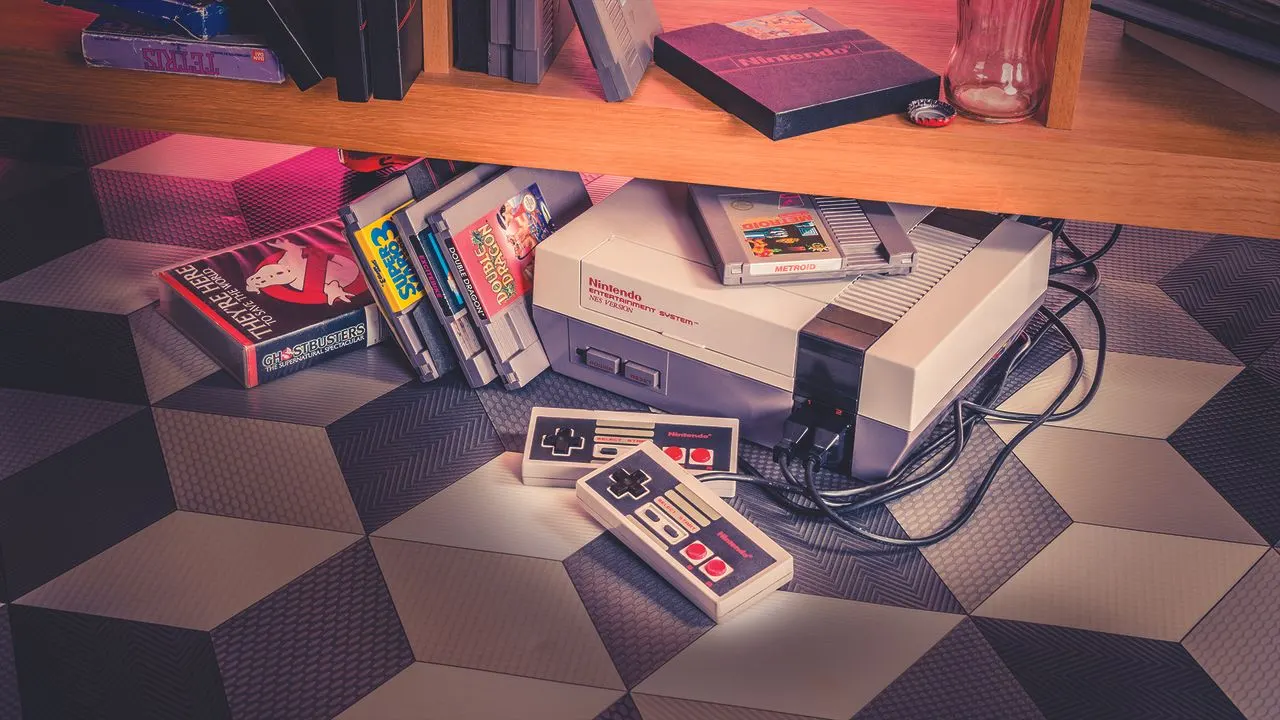
Nintendo's veteran designer Shigeru Miyamoto has reflected on the thinking behind the NES (Famicom), explaining that personal computers were once viewed as more serious, respectable machines than games consoles, which were widely dismissed as mere toys. According to Miyamoto, Nintendo deliberately designed the NES to close that perceived gap in status, giving it a look and feel intended to convey it was a legitimate piece of technology rather than a children's plaything. This matters because it sheds light on the design philosophy that helped the NES rebuild trust in video games after the industry's early-1980s crash and establish consoles as credible entertainment hardware in their own right.
Miyamoto's comments point to a deliberate strategy at Nintendo to position its console as being on a par with home computers of the era, both in perceived quality and in how retailers and the public regarded it, rather than being lumped in with disposable toy fads. The remarks, tied to his "it wasn't just a toy" framing, underline how much of the NES's now-iconic design and marketing was shaped by a need to win over sceptical adults and retailers, not just children, at a time when consoles had to prove themselves against computers as serious hardware.
In short
- Miyamoto says PCs once outranked consoles in public perception.
- NES was designed to close that credibility gap.
- He insists the console "wasn't just a toy".
Explained simply
The NES (known as the Famicom in Japan) was Nintendo's home video game console, launched in the 1980s at a time when the video game industry was in crisis. The market had collapsed just a few years earlier, when poor quality games had damaged public trust in gaming hardware.
Personal computers of that era were viewed as serious, respectable machines suitable for work and learning, whilst video game consoles were widely dismissed as toys or trivial entertainment. This perception gap influenced how retailers stocked products, how adults regarded them, and whether consumers would invest in gaming hardware.
Nintendo deliberately designed the NES to look and feel like legitimate technology rather than a toy, aiming to position it on a par with home computers in how retailers and the public perceived it. This design strategy helped convince sceptical retailers and adult consumers that such hardware was worth selling and buying, contributing to a restoration of confidence in video games following the industry's collapse.