The US government’s robot ban also includes vacuums
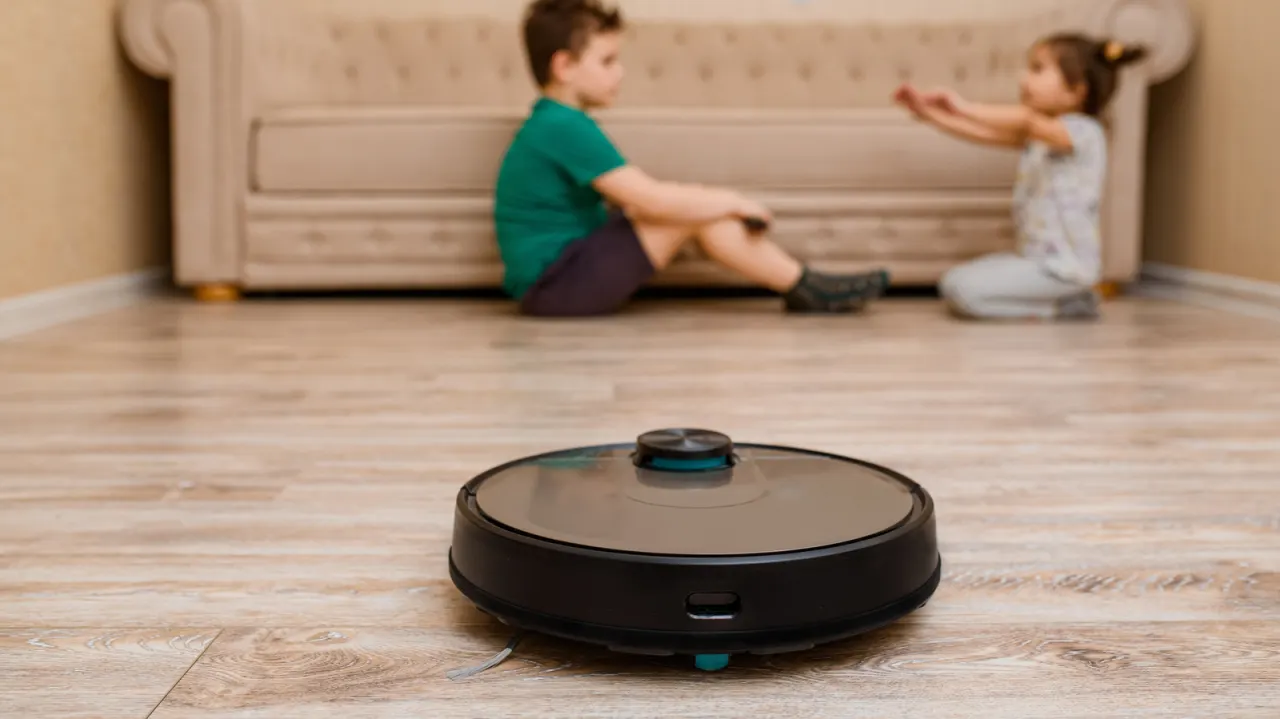
The US Federal Communications Commission's new ban on foreign-made "advanced robotic devices" reportedly extends beyond humanoid-style robots to include robot vacuum cleaners, according to a report from The Verge citing FCC statements. This matters because it could disrupt a market dominated by Chinese manufacturers, potentially limiting choice and raising prices for a widely used consumer product, while the actual security benefit of the move remains unclear.
The FCC defines an "advanced robotic device" broadly as any software-controlled, autonomous, wirelessly connected robot weighing over 4.4lbs (including its dock) that can perceive its surroundings and move across the ground — a description that inadvertently captures robot vacuums as well as a similarly broad ban on foreign-made power inverters, which could affect battery accessory makers like Anker. Existing robot vacuums already sold in the US can remain on the market, but manufacturers of new models will need to apply for a waiver, a significant hurdle given that most robot vacuum brands, including Dreame and Roborock, are Chinese. Engadget has contacted the FCC for confirmation and noted that since existing devices are unaffected, it is unclear how the rule meaningfully improves security rather than simply inconveniencing manufacturers.
In short
- FCC's foreign robot ban unexpectedly covers robot vacuum cleaners too
- New models need a waiver; existing ones can still be sold
- Chinese brands like Dreame, Roborock face the biggest impact
Steelman: both sides, in good faith
The strongest fair case each way — we don't pick a winner.
The case for
Supporters could argue that connected autonomous devices may collect sensitive information or create security risks, and that a broad, precautionary rule is justified when the consequences of vulnerable equipment could be serious. Requiring waivers for new models gives regulators a way to scrutinise products while leaving devices already on sale in use.
The case against
Critics could argue that sweeping in ordinary robot vacuums risks disrupting a market without clear evidence that the restriction will materially improve security, especially when existing models can remain in use. The waiver hurdle could reduce consumer choice, raise prices and burden manufacturers, so a narrower rule tied to demonstrated risks would better balance security with practical costs.
Explained simply
The US Federal Communications Commission has introduced a ban on advanced robotic devices made by foreign manufacturers. The ban is defined broadly to cover any autonomous, software-controlled robot weighing over 4.4 pounds that connects wirelessly and can perceive its surroundings as it moves. This definition encompasses robot vacuum cleaners as well as some battery-related products.
Most robot vacuums sold in the US are manufactured by Chinese companies such as Dreame and Roborock. Under the ban, robot vacuums already on sale can continue to be purchased and used, but makers wanting to introduce new models must now obtain government approval. This requirement could limit consumer choice and potentially affect prices for a household device that many Americans use.
The FCC has framed the ban as a security measure, though it is unclear what specific security risks robot vacuums present. Since existing devices already in homes remain unaffected and can continue operating, some have questioned whether the ban meaningfully addresses security concerns or primarily creates obstacles for manufacturers launching new products.
Americas Government Politics World