Culture news and discussion on TalkFuse.
Waymos are starting to run on freeways again
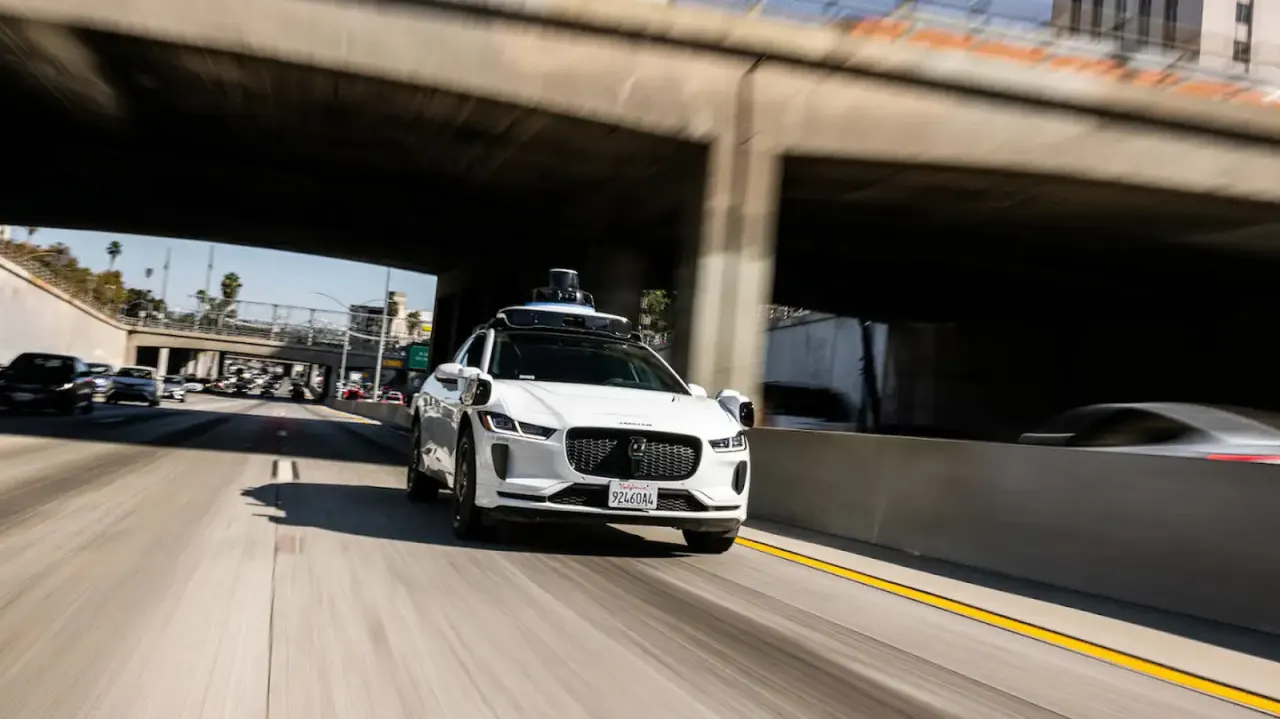
Waymo has begun restoring freeway access for its robotaxis, starting with Phoenix, after suspending the feature in May 2026 following incidents in which its self-driving vehicles entered sections of expressway closed for roadworks. The Alphabet-owned company says it will "soon" extend the resumption to Miami, Los Angeles and the San Francisco Bay Area, marking the return of a service it first opened to the public in November. The move matters because it signals Waymo's confidence in having fixed a safety-relevant software gap before again allowing its cars to operate at higher speeds and in more complex traffic environments.
Waymo said it had "identified an area for improvement regarding performance around freeway construction zones" and paused highway operation to address it. Riders wanting the freeway option must join an "interest list" via the Waymo app and wait for approval, and even approved users may not always be routed onto a motorway, as Waymo can reroute vehicles for known reasons such as heavy traffic or construction. The company says users can check their route and estimated drop-off time before confirming a ride.
In short
- Waymo resumes freeway robotaxi rides, starting in Phoenix today.
- Miami, LA and San Francisco Bay Area to follow "soon".
- Pause followed robotaxis entering closed roadwork zones in May.
Steelman: both sides, in good faith
The strongest fair case each way — we don't pick a winner.
The case for
Restoring freeway access can make Waymo rides faster and more useful, especially for longer journeys, and may help the service compete with conventional taxis. Waymo says it paused highway operation to address a performance issue around construction zones, and its staged return, with opt-in access and route information for riders, suggests a cautious approach to resuming the feature.
The case against
Freeways involve higher speeds and more complex traffic, so a mistake around a work zone could have serious consequences; the earlier incidents make it reasonable to seek stronger evidence that the software gap has been fixed before service resumes. An interest list and route previews may inform riders, but they do not by themselves establish that the vehicles can reliably handle unexpected closures or protect other road users.
Explained simply
Waymo is a self-driving taxi service run by Alphabet, Google's parent company. It launched to the public in November 2025 and now operates autonomous vehicles in several American cities. The service initially included an option for passengers to request rides that would use motorways, where vehicles travel at higher speeds.
In May 2026, Waymo paused the motorway feature after incidents in which its vehicles mistakenly entered sections that had been closed for roadworks. The problem revealed a gap in the company's software: its vehicles were not reliably recognising when parts of motorways were temporarily sealed off for construction. Waymo suspended motorway operations while it worked to fix how its technology identifies and handles roadwork zones.
Motorway driving is more challenging for autonomous vehicles than city streets, as vehicles travel faster and have less time to respond to changes. A reliable ability to navigate motorways is central to Waymo's long-term plans to expand its service. The company's efforts to improve its detection of roadwork zones and resume motorway operations reflect the importance of solving this particular safety problem.
Art Celebrity Culture Entertainment Geopolitics Politics