Who wins and who loses after US bans foreign robots?
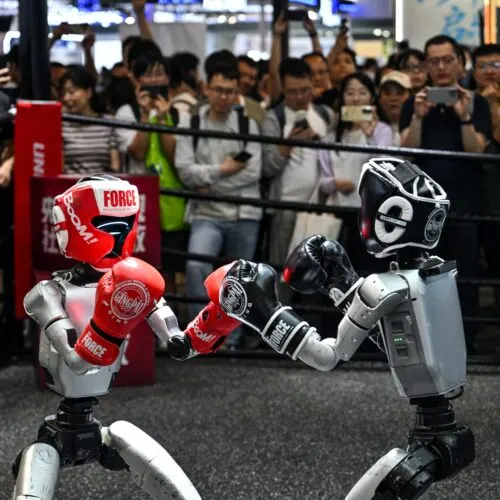
The US Federal Communications Commission has banned new imports of a wide range of foreign-made robots, citing cybersecurity risks first identified in devices made by Chinese firms. Announced on 28 July, the rule adds "foreign-produced advanced robotic devices" to the FCC's Covered List of technologies deemed a threat to US national security, following direction from a White House-convened interagency national security body. The move will hit Chinese manufacturers hardest, including Unitree's humanoid robots and vacuum-cleaner makers such as Roborock, but it also applies more broadly to robots made in allied nations including Japan, South Korea and Germany.
The ban covers mobile devices weighing over 4.4 pounds that can move autonomously or under remote control, sense their environment, connect via networks such as Bluetooth, and run onboard or cloud-based AI or software. It only blocks new, previously unauthorised models going forward, so consumers and businesses can keep buying and using existing approved robots. Exemptions include trains, drones (already banned separately in December 2025), underwater vehicles, road-going "connected vehicles" such as robotaxis, FDA-regulated medical devices and mobility aids, and fixed industrial robot arms, while the Department of Defense retains discretion to exempt specific foreign robots it deems safe.
In short
- FCC bans new imports of foreign-made mobile robots over cybersecurity concerns
- Chinese firms like Unitree and Roborock hit hardest, but allies affected too
- Existing robots, small devices, drones, medical and fixed robots are exempt
Steelman: both sides, in good faith
The strongest fair case each way — we don't pick a winner.
The case for
Supporters argue that networked robots with cameras, sensors and remote-control capabilities can collect sensitive data or create routes for surveillance and disruption, so restricting new foreign-made models is a prudent national-security measure. They may see the broad rule as necessary because risks are difficult to assess across suppliers and software, while exemptions and continued use of approved devices limit disruption.
The case against
Critics argue that a blanket restriction based on where a robot is made can exclude products from allied countries without showing that each poses a specific risk, and may reduce competition and consumer choice. They may favour targeted security reviews and safeguards instead, warning that broad limits could raise costs, slow adoption and invite reciprocal trade restrictions.
Explained simply
The United States Federal Communications Commission has banned new imports of foreign-manufactured robots, citing security risks. The rule, announced in July, prohibits importing robots that can move autonomously or be controlled remotely, sense their surroundings, and operate using artificial intelligence—devices that officials fear could be hacked or used to gather sensitive information.
The ban affects Chinese robot makers most severely, including companies that sell humanoid robots and popular household devices such as smart vacuum cleaners. However, it also applies to robots from allied nations including Japan, South Korea and Germany, meaning consumers may lose access to products from manufacturers across the world.
Robots already approved and on sale can continue to be sold and used, so the ban does not immediately disrupt consumer purchases. The rule represents the latest move by the US government to restrict certain foreign technologies on national security grounds, reflecting broader concerns about technology competition and foreign control over devices connected to homes and businesses.
Americas Government Politics World