Fauci’s pardon may not cover Fifth Amendment refusal, experts say
Developed over time first seen 2 months ago
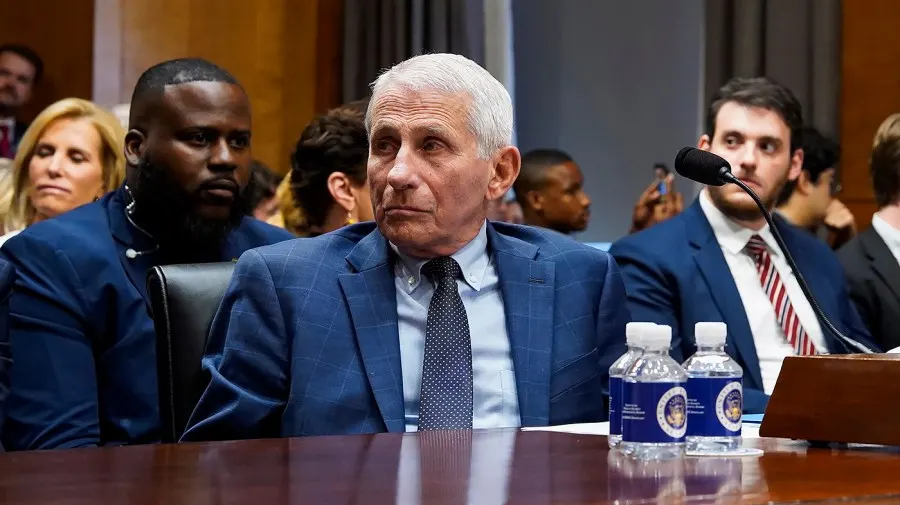
Anthony Fauci invoked the Fifth Amendment multiple times during a Senate hearing examining his handling of the Covid-19 pandemic, refusing to answer questions posed by a Republican-led committee. The episode has significant political and legal implications: Senator Rand Paul is pursuing a contempt vote against Fauci, while legal experts remain split on whether the wide-ranging presidential pardon Fauci received actually removes his ability to claim protection against self-incrimination.
President Biden's pardon covered federal offences tied to Fauci's public service between 2014 and January 2025, but experts note it may not extend to possible state-level offences, conduct outside that timeframe, or new offences such as perjury. Paul contends the pardon leaves Fauci with no valid grounds to invoke the Fifth Amendment, while Fauci maintains that answering the committee's questions could still expose him to genuine legal risk, leaving the dispute over his testimony unresolved.
- Fauci repeatedly pleaded the Fifth at a Senate Covid hearing
- Rand Paul is pushing for a contempt vote against him
- Experts disagree whether his pardon blocks that defence
New here? Start with this
Fauci served as a top US public health official, most prominently as director of the National Institute of Allergy and Infectious Diseases, and became a leading government voice during the Covid-19 pandemic under both the Trump and Biden administrations. Before leaving office in January 2025, he was granted a broad pre-emptive pardon by President Biden covering federal offences connected to his years of public service. Some Republican lawmakers have long argued his early pandemic guidance, including on the origins of the virus and mask policy, warrants further scrutiny.
The Fifth Amendment is a constitutional protection that allows a witness to decline to answer questions if doing so might incriminate them. It is commonly invoked in congressional hearings, though critics sometimes read it as suggestive of wrongdoing even though it carries no such formal implication. Senator Rand Paul, a Republican who chairs the relevant Senate committee, has been a persistent critic of Fauci and is now considering whether his refusal to answer could be treated as contempt of Congress.
The central question is whether a pardon removes the legal jeopardy that the Fifth Amendment is meant to guard against. Pardons typically only cover specific federal crimes already committed within a defined period, so legal experts are split on whether Fauci could still face exposure from state charges, conduct outside the pardon's timeframe, or new offences such as lying under oath. This distinction matters because it will shape whether Congress can compel him to testify further.
Both sides, in good faith
The strongest fair case each way — we don't pick a winner.
The case for
Rand Paul and those pressing for a contempt vote can reasonably argue that a valid Fifth Amendment claim requires a genuine, present risk of self-incrimination, and that a presidential pardon covering the relevant period of Fauci's public service removes that risk for the federal conduct in question. On this view, allowing a pardoned witness to still refuse to answer undermines the oversight function of Congress and lets a public official who has already been shielded from federal prosecution avoid accountability to the public for decisions made with taxpayer authority during a pandemic that affected millions of lives.
The case against
Fauci and those defending his refusal can reasonably argue that the pardon's scope is genuinely uncertain and does not eliminate every avenue of legal jeopardy, since it does not clearly cover state-level offences, conduct outside the specified dates, or new charges such as perjury that could arise from the testimony itself. On this view, the Fifth Amendment exists precisely to protect individuals from being compelled to create self-incriminating testimony under any residual or ambiguous legal exposure, and a witness is entitled to invoke it cautiously rather than gamble that a pardon's boundaries will be interpreted in his favour after the fact.
More coverage
Read the full article at the source →
Originally published by The Hill as “Fauci’s legal protection from pardon, Fifth Amendment is an open question”.