Politics news and discussion on TalkFuse.
Trump admin invokes 30-year dormant terror court as it seeks to deport Afghan woman tied to Election Day plot
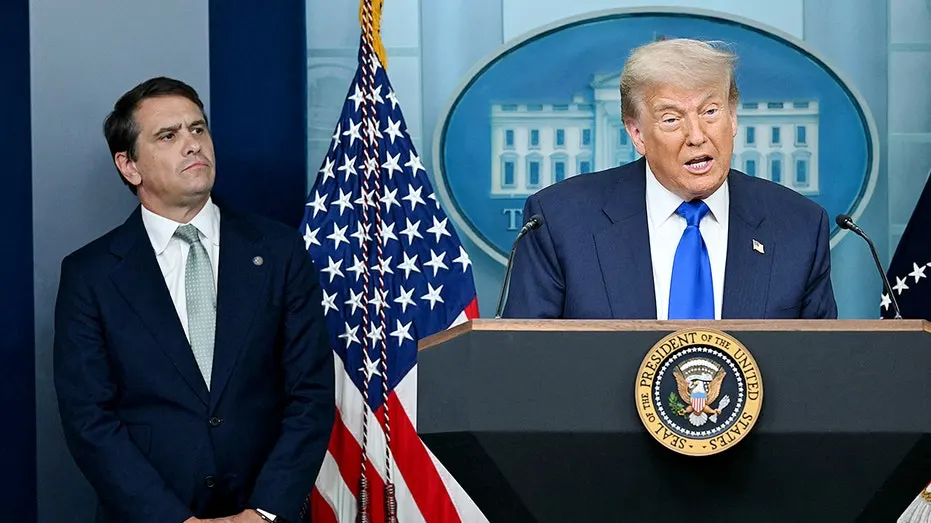
The Trump administration is invoking a specialised federal court for the first time since it was created three decades ago, in a bid to deport an Afghan woman accused of aiding an Islamic State-inspired plot targeting Election Day. The move marks the debut use of this long-dormant legal mechanism, underscoring how seriously officials are treating the alleged threat and signalling a more aggressive approach to using existing but rarely-tapped legal tools against suspected national security risks.
The woman named in the case, Nazira Haji Zada of Fort Worth, Texas, is accused of providing support connected to the terror plot, according to court records made public on Wednesday. Details of the specific court and the full scope of the allegations against her were not fully outlined in the available reporting, though the case ties into a broader pattern of federal action against alleged terror plots, including a separate recent case involving eight people charged over an alleged plot to attack a UFC event and government officials.
In short
- US invokes 30-year-old dormant terror court to deport Afghan woman
- Nazira Haji Zada accused of aiding Election Day terror plot
- First-ever use of this specialised federal court since its creation
Steelman: both sides, in good faith
The strongest fair case each way — we don't pick a winner.
The case for
Supporters of the administration's approach argue that government's first duty is public safety, and that an alleged plot to attack Election Day activities using Islamic State-inspired violence represents exactly the kind of serious threat that justifies using every lawful tool available. They contend that the specialised court in question was created by Congress precisely for cases like this, so invoking it after three decades of disuse is not overreach but simply activating a dormant safeguard when circumstances finally warrant it. From this view, swift removal proceedings against someone accused of materially aiding a terror plot demonstrate that the system is functioning as designed, and hesitation to use existing legal mechanisms out of unfamiliarity would itself be a failure of vigilance.
The case against
Critics raise concern that reviving a specialised court untouched for thirty years sets a significant and largely untested precedent, one that could expand executive power to deport individuals through processes with fewer safeguards, less transparency, and less judicial scrutiny than ordinary immigration or criminal courts. They emphasise that the allegations against the woman remain unproven, and that resorting to an extraordinary, rarely used legal channel before allegations are tested through more established means risks undermining due process. There is also concern about the wider signal sent to Afghan communities in the US, many of whom fled Taliban rule or assisted American efforts, and who may fear that such tools could be applied more broadly on the strength of allegation alone rather than conviction.
Explained simply
The United States has specialised federal courts designed to handle cases involving terrorism and threats to national security, equipped with procedures to protect sensitive intelligence and classified information during legal proceedings. These courts were created as a formal mechanism to address the most serious categories of potential threat to public safety and national security at the federal level.
An Afghan woman named Nazira Haji Zada, based in Fort Worth, Texas, faces allegations that she provided support to individuals involved in an alleged plot inspired by Islamic State ideology. The alleged plot reportedly targeted activities around an American election, though the full details of the specific plans and all charges against her have not been completely disclosed publicly.
Terrorism and extremism cases represent among the most serious matters that American federal law enforcement pursues, as they involve concerns about potential violence and threats to national security. The government draws on various legal tools and procedures available under federal law to investigate and prosecute such cases, with different mechanisms suited to different circumstances and threat levels.
Elections Paranormal Politics Weird & Viral World