Politics news and discussion on TalkFuse.
MORNING GLORY: The Fauci diaries and legacy media’s platinum dome under stress
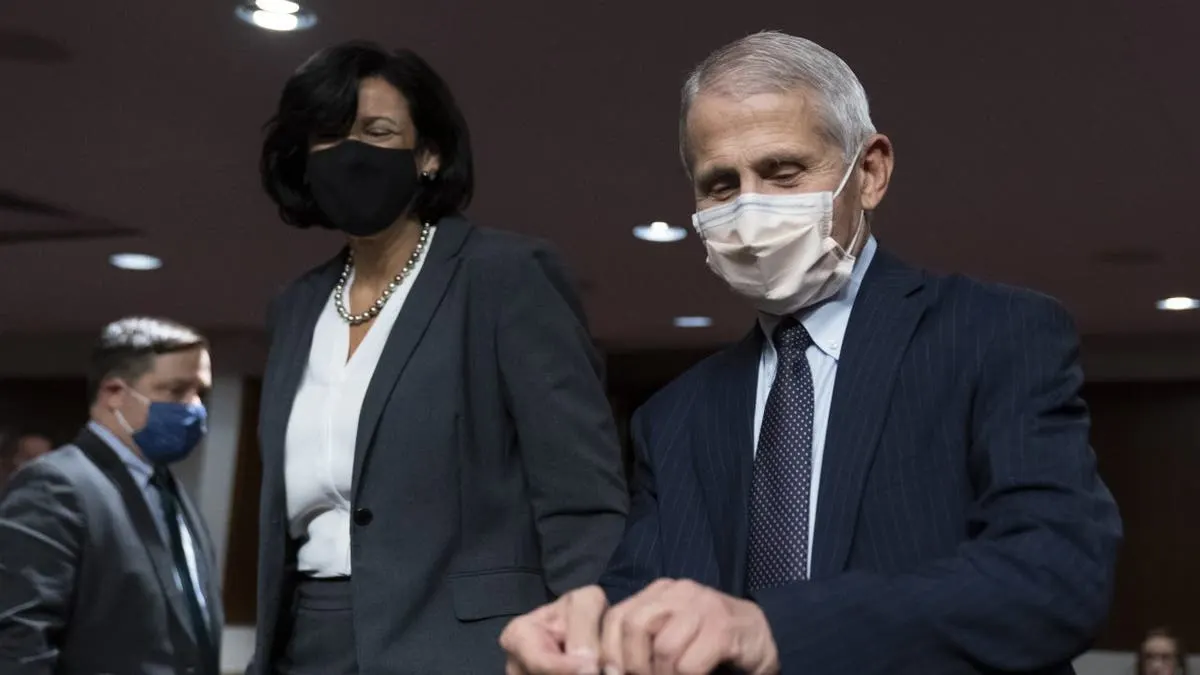
Fox News commentator Hugh Hewitt argues that Dr Anthony Fauci’s private diaries and his reported invocation of the Fifth Amendment have intensified scrutiny of his conduct during the COVID-19 pandemic. The piece says the episode matters because it could further weaken public trust in public-health institutions and mainstream media, which the author contends protected Fauci from sufficient criticism.
The article alleges that Fauci made misleading statements during the pandemic and suggests his diaries conflict with his public presentation, while noting that he received a pardon. It also acknowledges that Fauci made important contributions over his long career, but presents his pandemic record as a major source of lasting political and institutional distrust.
In short
- Commentary says Fauci diaries deepen distrust over COVID-era decisions
- Author links Fauci’s silence to legal and reputational risk
- Article criticises media coverage of Fauci
Steelman: both sides, in good faith
The strongest fair case each way — we don't pick a winner.
The case for
Those calling for renewed scrutiny argue that public officials should be held accountable for pandemic decisions and statements, especially when private records may cast their public explanations in a different light. They see transparency and rigorous media questioning as essential to restoring trust in public-health institutions, while regarding Fauci’s past contributions as no substitute for examining his pandemic record.
The case against
Defenders of Fauci and those wary of the article’s framing could argue that diaries and reported use of the Fifth Amendment do not, by themselves, establish misconduct or prove that public statements were misleading. They would stress that pandemic decisions were made amid uncertainty, that his long career included significant public-health contributions, and that claims of media protection or institutional failure need evidence beyond partisan commentary.
Explained simply
Dr Anthony Fauci was the long-serving director of the National Institute of Allergy and Infectious Diseases and became a prominent public figure during America's response to the COVID-19 pandemic. He advised on policy and communicated frequently with the public about the virus and vaccines.
Fauci's conduct during the pandemic has become a focus of political and public debate, with critics arguing that he made misleading statements and that news organisations did not scrutinise his work adequately at the time. Recently, the emergence of his private diaries and his refusal to answer questions have intensified these questions about his pandemic decisions.
The episode reflects broader concerns about whether public-health institutions are sufficiently accountable and whether media organisations questioned official pandemic messaging enough. These questions have become intertwined with discussions about public trust in health and news institutions.