Trump’s legislative demand falls flat with Senate GOP
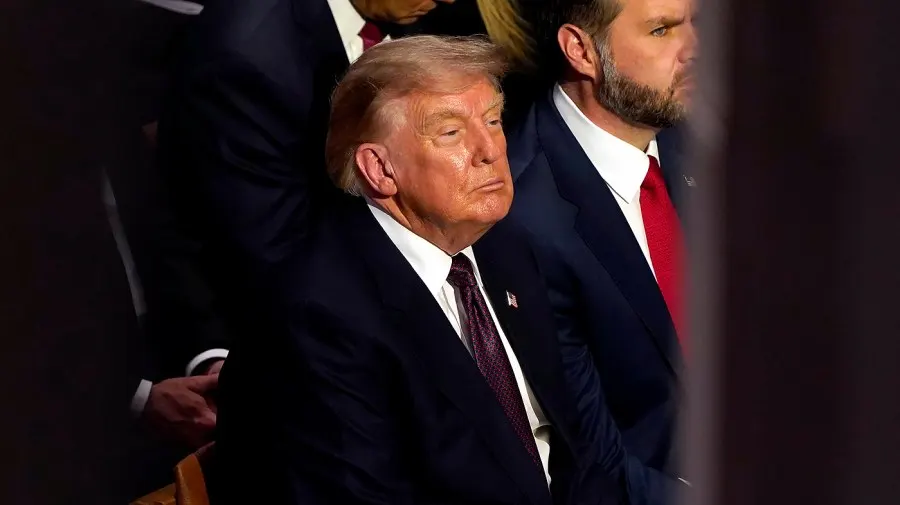
Senate Republicans have resisted a legislative demand from President Trump over the federal budget, exposing limits to his influence within his own party in Congress. The disagreement matters because Republican unity is central to advancing the administration’s spending and policy priorities through a narrowly divided Senate.
The article describes a clash between Trump’s preferred approach and senators’ concerns about the practical and political consequences of the proposal. It highlights that Senate Republicans are pursuing their own budget strategy rather than immediately accepting the president’s demand, leaving the timing and shape of any agreement uncertain.
In short
- Senate Republicans resisted Trump’s budget demand.
- The dispute exposes divisions within the GOP.
- A final budget agreement remains uncertain.
Steelman: both sides, in good faith
The strongest fair case each way — we don't pick a winner.
The case for
Supporters of Trump’s demand could argue that a president elected to advance a clear programme should press his party to use the budget process to deliver on it. A firm approach may help maintain focus on campaign commitments and give Republican lawmakers a stronger negotiating position, even if agreement takes time.
The case against
Senate Republicans could argue that Congress has its own constitutional responsibilities and must weigh the proposal’s practical effects, political viability and prospects of passage. Pursuing a separate budget strategy may be a prudent way to build support and avoid committing the party to a plan that cannot secure enough votes.
Explained simply
President Trump has made a legislative demand over how the federal budget should be handled, but Senate Republicans are refusing to go along with it. This disagreement is noteworthy because it shows that Trump's influence over his own party in Congress is not absolute, despite Republicans controlling the Senate.
The Senate is divided very narrowly between the parties, which means Republicans need strong unity to advance their spending and policy priorities. The senators' resistance to Trump's demand reflects concerns about how his preferred approach might affect them politically or practically.
Rather than immediately accepting what the president wants, Senate Republicans are pursuing their own budget strategy. This means negotiations between the White House and Republican senators are ongoing, and the eventual outcome remains uncertain.