Entertainment news and discussion on TalkFuse.
Pragmata devs almost gave Diana a bob cut to save on the time and money it would take to animate her hair
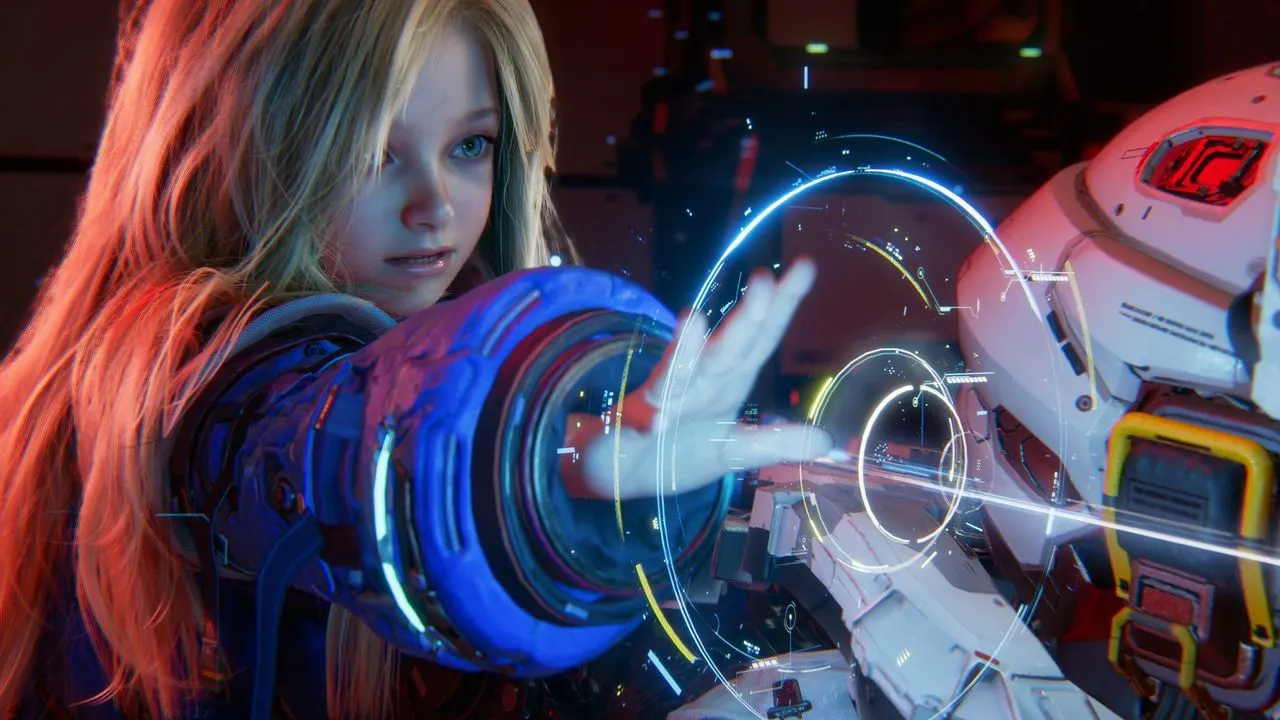
Capcom’s Pragmata developers considered giving the character Diana a bob haircut because animating her longer hair would have required more time and money. The anecdote highlights how seemingly small visual design choices in games can be shaped by production constraints as well as artistic preference.
Diana’s eventual hairstyle was therefore not purely an aesthetic decision: hair animation was treated as a significant technical and budgetary consideration. The report does not provide figures for the potential savings or state whether the haircut plan progressed beyond early discussion.
In short
- Diana nearly received a bob to reduce animation costs.
- Hair animation influenced Pragmata’s character design.
- No specific cost or time savings were disclosed.
Steelman: both sides, in good faith
The strongest fair case each way — we don't pick a winner.
The case for
A shorter cut could have reduced the time and cost of animating Diana’s hair, freeing developers to spend limited resources on other parts of the game. Production choices like this can help a team deliver a polished experience within its constraints, even when they affect a character’s appearance.
The case against
A character’s visual design can be central to artistic direction and audience connection, so changing Diana’s hair chiefly to save production resources could have weakened the intended look. If the longer hairstyle better served the character, it may have been worth exploring ways to animate it while protecting that creative choice.
Explained simply
Pragmata is an upcoming video game from Capcom, a major Japanese video game publisher known for franchises like Resident Evil and Street Fighter. The game features Diana, a young female character who plays a central role in its narrative.
Hair animation in video games is a technically demanding process that requires substantial resources and development time. Creating convincing moving hair demands specialist software, artists with specific expertise, and significant computing power, all of which add considerably to a game's budget and production schedule.
Production constraints play a central role in shaping a finished game's appearance. Developers must balance their creative vision with practical limitations such as budget and time, meaning that even seemingly minor character design choices—including details like hairstyle—are influenced by both artistic preference and financial considerations.