Video games news, releases, esports and culture — all the biggest gaming stories in one place.
Guillermo del Toro is asking for a slightly more forgiving Dead Cells, checkpoints and all, ‘for the elderly players’
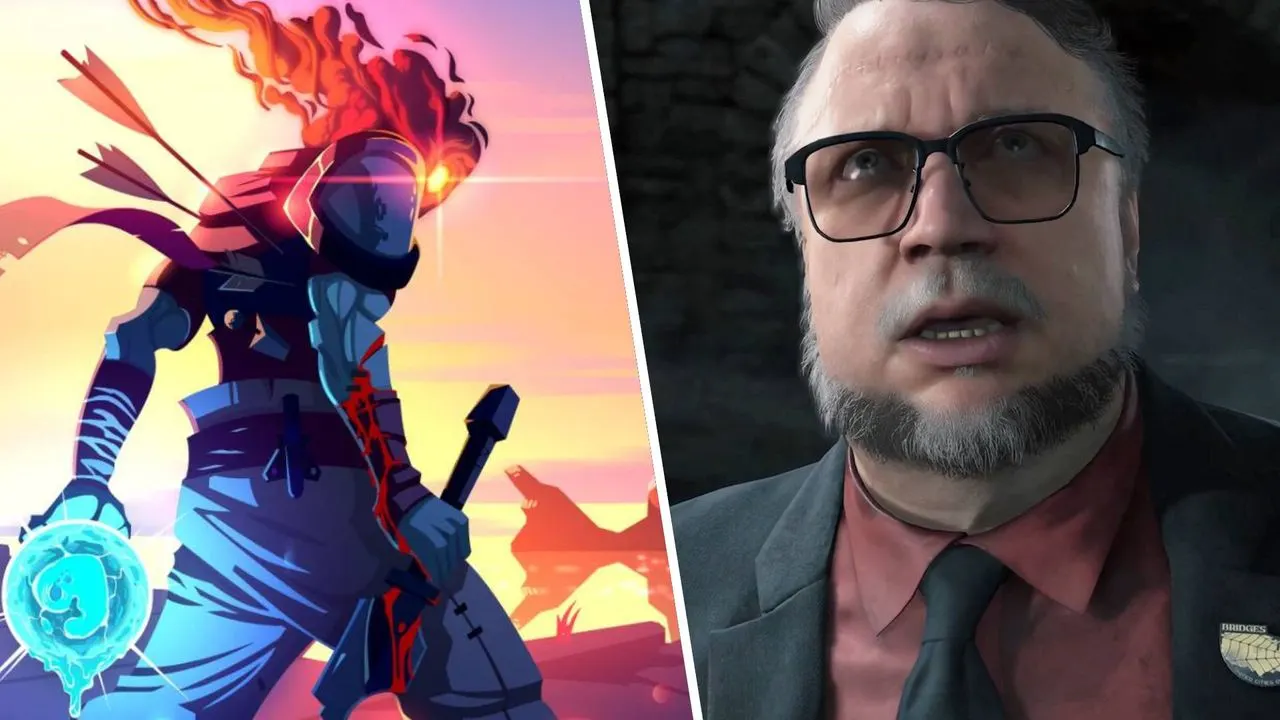
Guillermo del Toro has called for Dead Cells to become slightly more forgiving by adding checkpoints, joking that the change would help “elderly players”. His remarks highlight the continuing debate over whether challenging games should offer more accessibility options without compromising their intended difficulty.
Dead Cells is a roguelike action game built around repeated runs, where death normally sends players back to the start and progress is largely reset. Del Toro’s suggestion focuses on reducing the penalty for failure rather than removing the game’s challenge, though there is no indication that developer Motion Twin plans to change the system.
In short
- Del Toro wants Dead Cells checkpoints for older players.
- He is seeking a gentler penalty for failure.
- No planned game change has been confirmed.
Steelman: both sides, in good faith
The strongest fair case each way — we don't pick a winner.
The case for
Adding optional checkpoints could make Dead Cells more welcoming to players who have limited time, stamina or appetite for repeating long sections, while letting them experience more of its combat and design. If the feature were configurable, players who want the original high-stakes structure could leave it off, preserving choice without changing the standard challenge.
The case against
Dead Cells’ repeated runs and loss of progress are central to its tension and to the satisfaction of mastering its systems; checkpoints could weaken that deliberate risk-and-reward loop. Even as an option, they might complicate balance and make it harder to preserve a consistent experience or sense of achievement across players.
Explained simply
Dead Cells is an action game built around repeated attempts called runs, where players navigate through increasingly difficult challenges. When a player's character dies, most progress is lost and the player returns to the beginning, a consequence intentionally designed into the game. This system of resetting progress is fundamental to how the game works.
Guillermo del Toro is a filmmaker renowned for imaginative fantasy films and takes an active interest in gaming culture and design. Motion Twin, the independent developer that created Dead Cells, built the game to emphasise challenge as a central feature. The game's approach to difficulty has attracted commentary from various figures, including those from film and entertainment.
The discussion touches on a broader debate within the gaming industry about whether challenging games should offer more accessible options. Some contend that harsh consequences for failure are essential to making games rewarding, whilst others argue that additional options would allow more people to experience such games. Balancing a game's intended design with accessibility has become an increasingly important consideration for the industry.