Politics news and discussion on TalkFuse.
Americans give all-day school phone bans a ringing endorsement
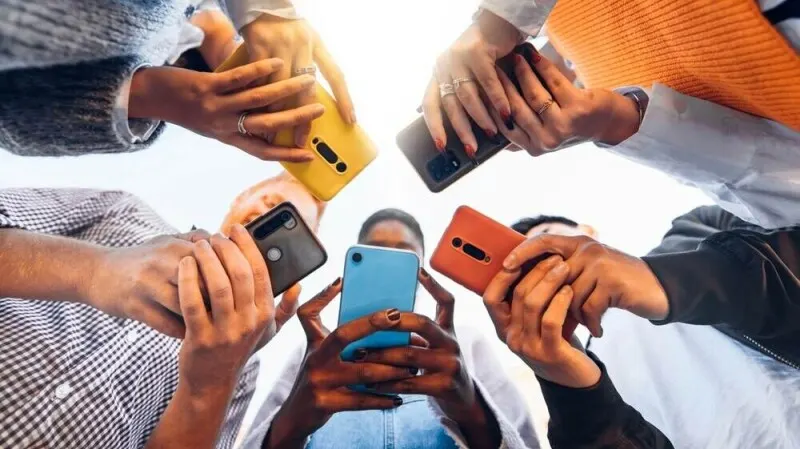
Support among US adults for banning smartphones throughout the entire school day has exceeded opposition for the first time, according to a Pew Research Center survey. The shift matters because it strengthens public backing for increasingly common state and school policies intended to limit classroom distraction and social-media use.
The survey of 9,750 adults found 48% supported “bell-to-bell” bans, while 43% opposed them; support for bans during lessons was higher, at 77%, up from 68% in 2024. Forty-two states have enacted measures concerning mobile-phone use in schools, although younger adults were far less supportive of all-day restrictions, with only 28% backing them. Republicans were more supportive than Democrats, but both groups broadly favoured restricting phones during classes.
In short
- US support for all-day school phone bans now exceeds opposition
- 77% support banning phones during lessons
- Forty-two states have introduced school phone-use measures
Steelman: both sides, in good faith
The strongest fair case each way — we don't pick a winner.
The case for
A school-day ban can reduce distraction, support students’ attention and in-person interaction, and limit access to social media during hours set aside for learning. Its growing public support, alongside broad backing for restrictions during lessons, suggests many see clear school-wide rules as a practical way to help classrooms function.
The case against
An all-day ban may be broader than needed to address classroom distraction, restricting students’ autonomy and access to phones during breaks or in emergencies. Since support is narrower for bell-to-bell bans than for lesson-time limits, opponents can reasonably argue that targeted rules would preserve learning while better accommodating students, families and different school circumstances.
Explained simply
Schools across America are increasingly restricting when and how pupils can use smartphones, prompted by concerns that the devices distract from learning and expose young people to harmful social media content. These restrictions range from bans during lessons only to measures preventing phone use throughout the entire school day. The policies reflect a broader debate about technology in education and young people's wellbeing.
Many states have already moved to limit phone use in schools. As of now, forty-two states have enacted measures concerning mobile-phone use, demonstrating the spread of this approach across the country. Schools are implementing these policies to try to reduce classroom disruption and encourage pupils to focus on their studies.
Support for the restrictions varies notably depending on age and political affiliation. Older Americans are significantly more likely to back all-day phone bans than younger adults, and Republicans are more supportive than Democrats. However, both major political groups broadly favour restricting phones during actual lessons, suggesting some consensus on the issue.