Video games news, releases, esports and culture — all the biggest gaming stories in one place.
Nvidia reportedly raising graphics card prices by 30%
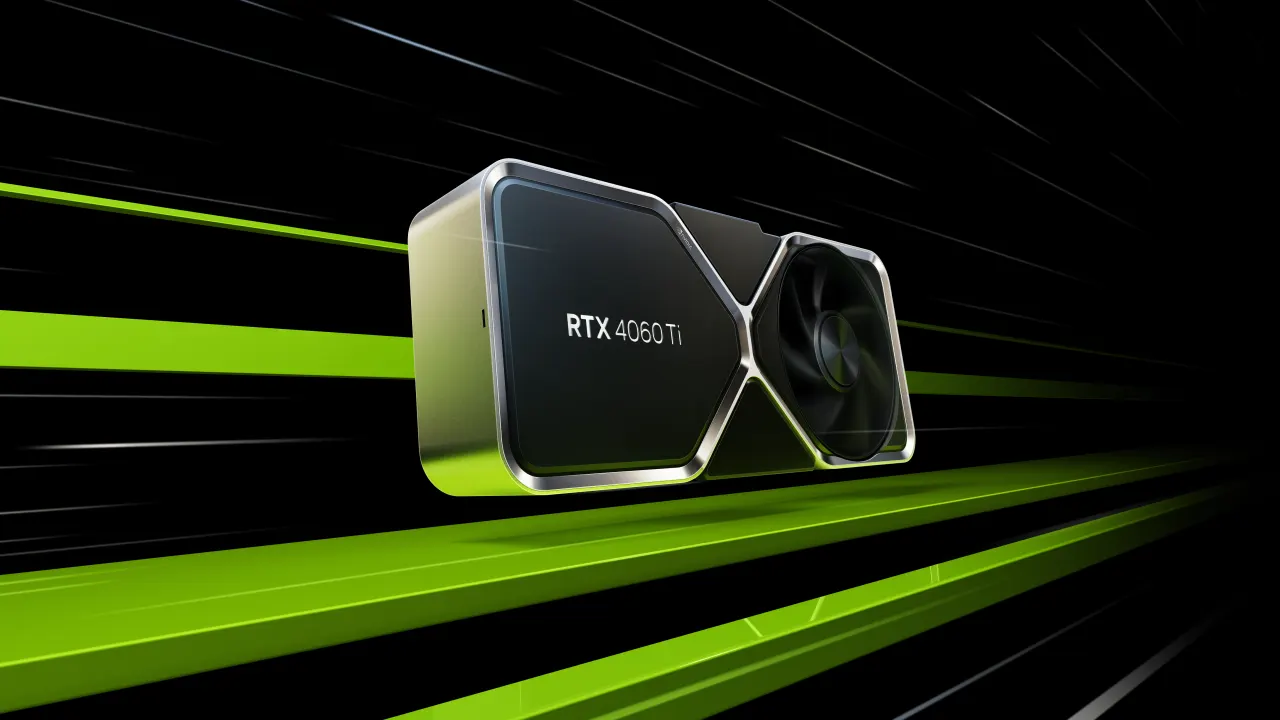
Nvidia has reportedly increased the prices it charges board partners for GPU and memory bundles by 20% to 30%, potentially making consumer graphics cards more expensive. The move matters because manufacturers such as MSI and Asus may pass the higher costs on to buyers, extending the impact of the current memory shortage from PCs and consoles to standalone gaming GPUs.
The shortage is linked to major memory manufacturers shifting production from consumer DRAM towards high-bandwidth memory for AI data centres. The article says gaming hardware prices have already risen sharply: Valve raised Steam Deck prices by $240–$300 in May, Sony increased PS5 prices by $150, Microsoft plans further Xbox price rises in August, and Nintendo will add $50 to the Switch 2 from 1 September.
In short
- Nvidia partner costs may rise by up to 30%.
- AI demand is tightening consumer memory supplies.
- Gaming hardware prices are already increasing.
Steelman: both sides, in good faith
The strongest fair case each way — we don't pick a winner.
The case for
Higher bundle costs reflect scarce memory and the expense of securing components while manufacturers redirect capacity towards AI data centres. Passing some of those costs on could help board partners maintain supply and production; the price rises may also reflect wider cost pressures already affecting gaming hardware.
The case against
Higher prices would make gaming GPUs less affordable for consumers, including people upgrading older systems or building PCs on a budget. Buyers may argue that companies should absorb some of the increase through their margins, especially when limited supply and successive price rises leave consumers with fewer affordable options.
Explained simply
Graphics processing units, or GPUs, are specialised computer chips used primarily for gaming. Nvidia dominates this market, and the prices it charges to manufacturers such as MSI and Asus directly affect what consumers pay for graphics cards. The company has reportedly increased its prices to these partners by between 20 and 30 per cent.
The price rise stems from a shortage of memory used in advanced electronics. Manufacturers have shifted production away from consumer gaming equipment towards memory needed for artificial intelligence data centres, where profit margins are higher. This squeeze on supply has driven up costs throughout the technology industry.
The higher prices will likely reach shoppers, as manufacturers pass their increased costs on to consumers buying graphics cards. This is part of a broader trend affecting gaming hardware generally, with the Steam Deck, PlayStation 5, Xbox and Nintendo Switch all becoming noticeably more expensive over the past year. The combined effect makes it more costly for gamers to buy or upgrade their equipment.