Hundreds of migrants swim from Morocco to Spanish enclave of Ceuta
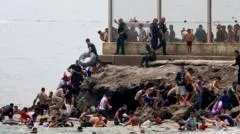
Hundreds of migrants have reached Spain’s North African enclave of Ceuta from Morocco over the past week, many swimming or using flotation devices to cross. Ceuta’s leader, Juan Jesús Vivas, said the arrivals were overwhelming local resources and called for intervention by Spain’s central government, describing the situation as both a humanitarian and security emergency.
Reports differ on the scale of Thursday’s crossings: Spanish media estimated 2,000 to 3,000 arrivals, while public broadcaster RTVE reported hundreds and said more than 1,500, mostly young Moroccans, had arrived over the previous two weeks. Reception facilities for unaccompanied minors are reportedly operating far above capacity, and 60 bodies have been recovered at sea in recent months; the surge recalls May 2021, when about 8,000 people entered Ceuta within days.
In short
- Migrant arrivals in Ceuta are straining local services.
- Estimates of Thursday’s crossings range from hundreds to thousands.
- Authorities face humanitarian and security concerns.
Steelman: both sides, in good faith
The strongest fair case each way — we don't pick a winner.
The case for
Spain’s central government should intervene with urgent funding, staff and safe reception capacity, as local services are reportedly overwhelmed and unaccompanied minors need protection. The deaths at sea also make a coordinated humanitarian response essential, while managing arrivals can help maintain public confidence in the asylum and border system.
The case against
A large emergency intervention could place further strain on public services and risk encouraging more dangerous crossings if it is seen as reducing controls. Spain may therefore need to prioritise effective border management and practical support for Ceuta that does not create incentives for smugglers or expose more people to peril at sea.
Explained simply
Ceuta is a small Spanish territory on the North African coast, bordered by Morocco but separated from mainland Spain by sea. Like other Mediterranean routes, it has long been a crossing point for people attempting to migrate to Europe, with arrivals coming from across Africa and the Middle East seeking to reach Spain.
The current surge of arrivals, with hundreds reaching Ceuta by swimming or using makeshift flotation devices over the past week, follows a pattern of periodic intense waves of crossings. The most significant recent comparable event was in May 2021, when approximately 8,000 migrants arrived within days; the present situation has now strained local reception facilities far beyond their capacity, particularly for unaccompanied minors.
These crossing attempts highlight persistent dangers in migration across the Mediterranean and North Africa, where journeys regularly result in deaths at sea. Over 60 bodies have been recovered in recent months, and Spanish authorities have called for intervention from the central government, describing the situation as both a security and humanitarian crisis requiring a co-ordinated national response.