Senate Republicans block Iran war powers resolution
Developed over time first seen 2 months ago
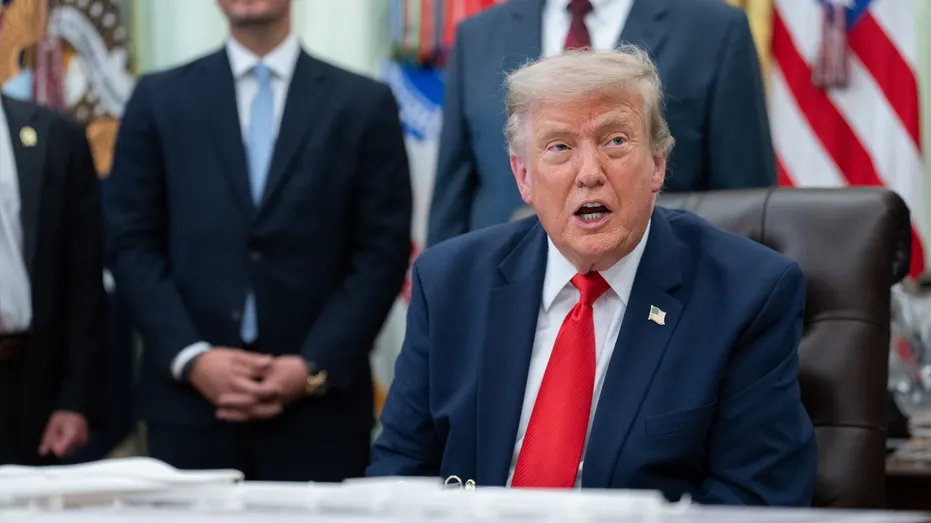
Senate Republicans again blocked a war powers resolution that sought to require President Donald Trump to obtain congressional authorisation for, or halt, US military action against Iran. The outcome preserves the president’s room to direct the conflict and highlights Republican support despite mounting questions about its aims, costs and duration.
The resolution would have required an immediate end to US involvement unless Congress approved it, but it did not advance in the Senate. The debate has taken place amid reports of declining munitions supplies, higher petrol prices and a Pentagon request for about $80 billion for a possible Iran conflict.
- Senate Republicans again blocked limits on Trump’s Iran war powers.
- The vote preserved presidential discretion over US military action.
- Costs, munitions and unclear objectives remain concerns.
New here? Start with this
The United States and Iran have had hostile relations for decades, shaped by disputes over Iran’s nuclear programme, its influence in the Middle East and US sanctions. American forces have at times been involved in fighting linked to Iran or Iran-backed groups, but Congress has not formally declared war on Iran.
Under the US Constitution, Congress has the power to declare war and control military spending, while the president is commander-in-chief of the armed forces. War powers resolutions are attempts by Congress to limit or end military action when lawmakers believe the president has acted without sufficient approval.
The issue also affects domestic politics and the economy. A wider conflict could require large amounts of military equipment and spending, while disruption in the oil-producing region can contribute to higher petrol prices.
Both sides, in good faith
The strongest fair case each way — we don't pick a winner.
The case for
Supporters of the war powers resolution argue that Congress has the constitutional responsibility to decide whether the United States enters or sustains a significant conflict, particularly one that may demand tens of billions of dollars and risk escalation. They contend that requiring a clear authorisation would force the administration to state its objectives, expected duration and strategy, allowing elected representatives to assess the human, military and economic costs. This view prioritises democratic accountability, fiscal scrutiny and limiting open-ended military commitments.
The case against
Opponents argue that the president needs sufficient flexibility as commander-in-chief to protect US forces, deter further Iranian action and respond quickly to changing military conditions. They may believe that an immediate statutory halt could signal division to adversaries, constrain diplomacy and undermine operations before Congress has considered a fuller strategy or funding package. This view prioritises national security, credible deterrence and preserving the executive’s ability to act decisively during an active confrontation.
More coverage
Government Middle East Politics World
Read the full article at the source →
Originally published by Fox News as “War powers resolution fails as Senate Republicans stand by Trump on Iran”.