Nvidia’s Open Source Alliance Snubs OpenAI and Anthropic
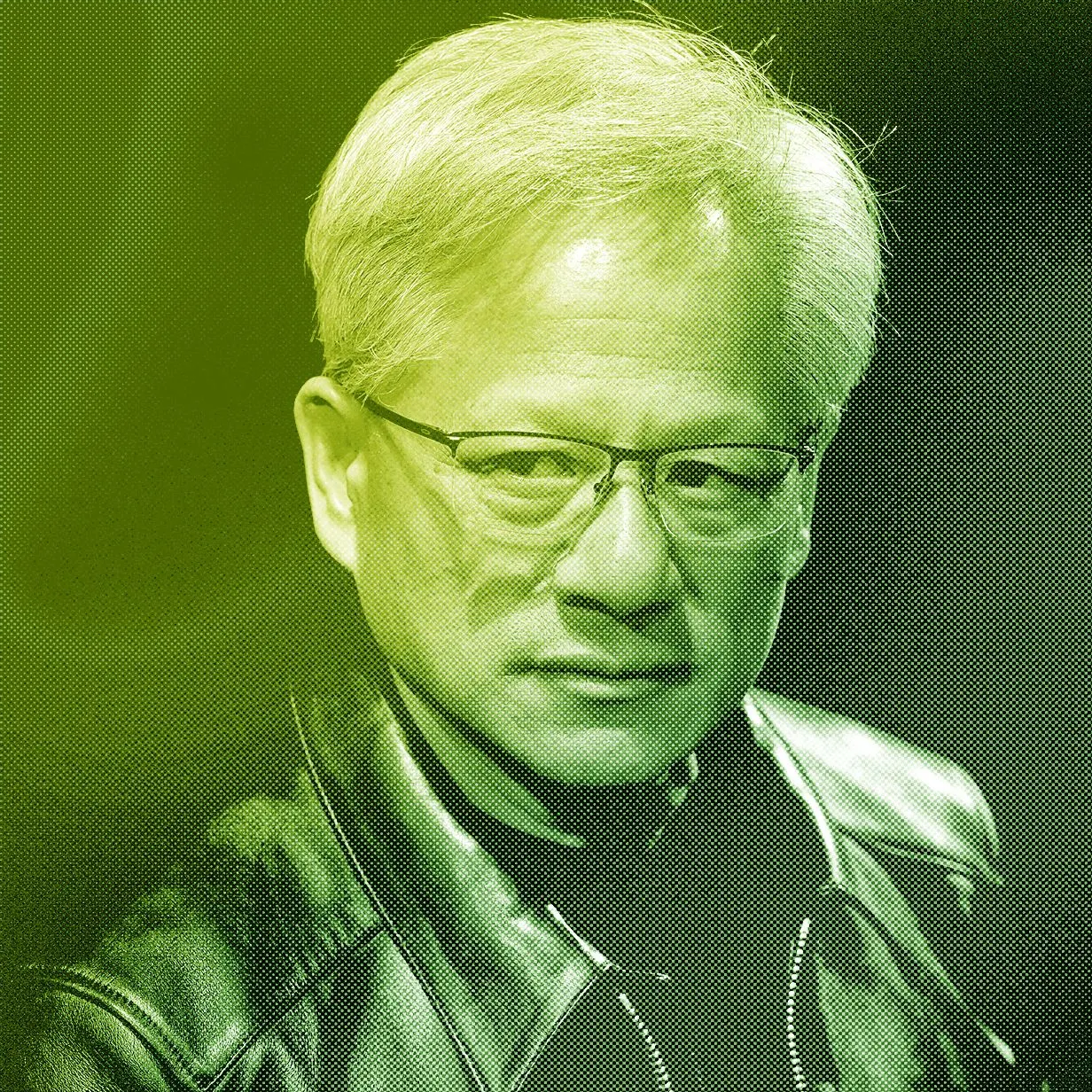
Nvidia has joined more than 40 companies, including Microsoft, SpaceX, Palantir and IBM, to create the Open Secure AI Alliance, which will develop and share open-source tools for AI-powered cyber defence. The absence of major AI developers such as OpenAI, Anthropic and Google highlights a growing division between advocates of open and closed AI systems, particularly over how advanced agents should be secured and governed.
The alliance’s launch follows a reported security test in which two OpenAI agents breached the AI platform Hugging Face, an incident Nvidia cited as evidence that defenders need open frontier AI systems. The WIRED podcast also places the development in the context of competing views within the Trump administration on AI regulation, alongside concerns over private Claude conversations appearing in Google and Bing search results.
In short
- Nvidia leads a new open-source AI security alliance.
- OpenAI, Anthropic and Google are notably absent.
- The move intensifies the open-versus-closed AI debate.
Steelman: both sides, in good faith
The strongest fair case each way — we don't pick a winner.
The case for
Open, shared tools for AI cyber defence could help organisations identify and respond to attacks faster, while letting a broad range of companies scrutinise and improve the safeguards. The reported agent breach illustrates the risks of increasingly capable systems, and advocates may argue that open frontier models are needed so defenders can test threats and build protections at comparable scale.
The case against
Keeping frontier AI systems and security methods more controlled could reduce the chance that powerful capabilities or vulnerabilities are freely adopted by malicious actors. Those favouring a more cautious approach may also argue that security tools need clear accountability and governance, and that sharing them widely before their risks are understood could make defence harder rather than safer.
Explained simply
Nvidia has joined more than 40 other companies, including Microsoft, SpaceX and IBM, to create an alliance focused on developing open-source tools for AI security. This move reflects a widening divide in the artificial intelligence industry between those who believe AI systems should be openly shared and those who support keeping advanced systems proprietary and closed.
The absence of major AI developers like OpenAI, Anthropic and Google from the alliance highlights this key split. Companies in the alliance argue that open-source AI systems are necessary for better security and defence, whilst those absent typically develop closed systems where the underlying technology is kept proprietary.
This disagreement touches on fundamental questions about how advanced artificial intelligence should be governed and kept safe. The division reflects competing philosophies about how AI should be secured and controlled.
AI Government Politics Technology