For the First Time, Zoox Can Charge People for Rides in Its Steering-Wheel-Free Robotaxis
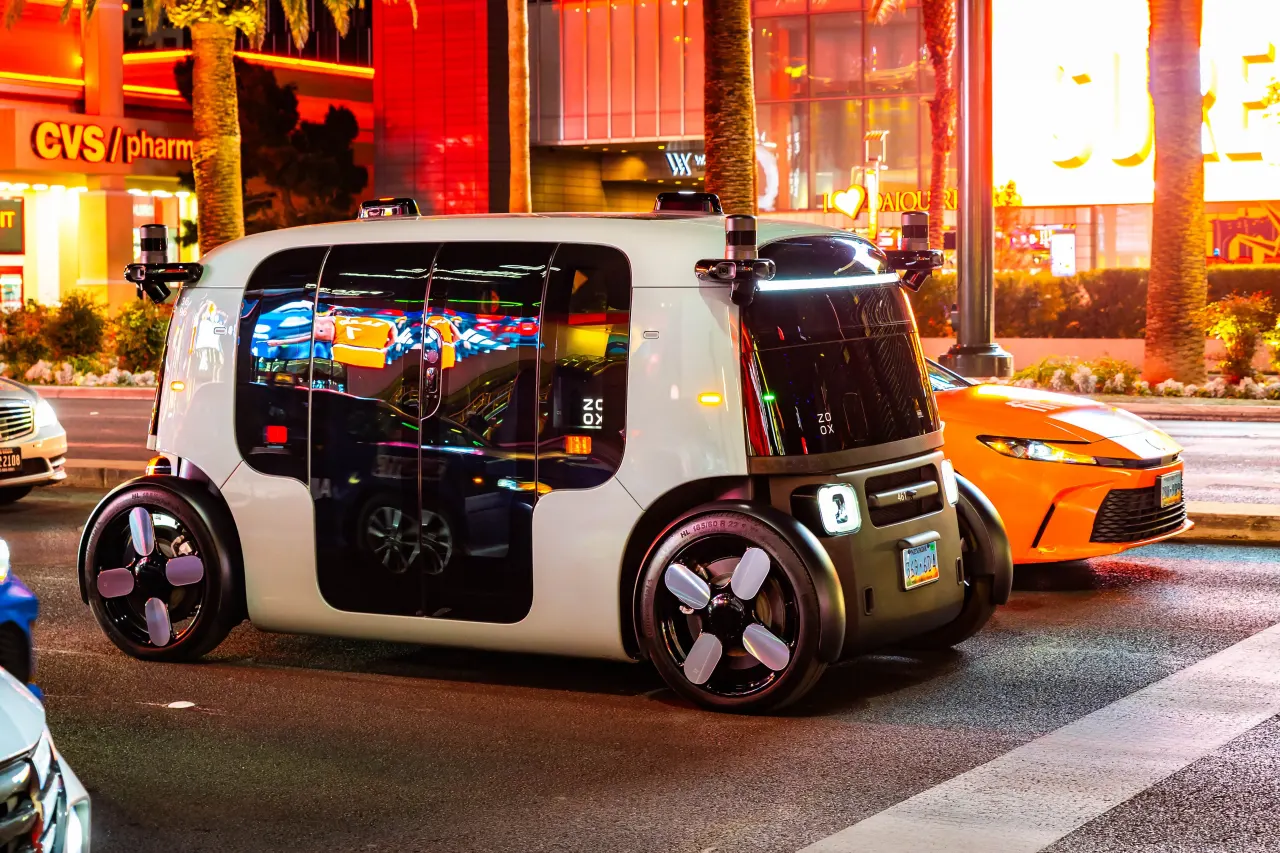
US regulators have granted Amazon-owned Zoox a two-year exemption allowing it to charge passengers for rides in its purpose-built robotaxis, which have no steering wheel or pedals. The approval is significant because it is the first for a vehicle designed solely for autonomous driving to carry paying customers in the US, potentially opening a path beyond conventional cars adapted for self-driving systems.
Zoox plans to begin paid rides in Las Vegas, while its limited free services continue in Austin, Miami and San Francisco. The exemption permits deployment of up to 5,000 vehicles but requires extra reporting on crashes and unexplained stops, and can be withdrawn over safety concerns; Zoox currently has 105 active robotaxis, according to a recent recall filing, despite saying it has carried over 500,000 riders across more than three million autonomous miles.
In short
- Zoox can soon charge for driverless rides in Las Vegas.
- US approval covers steering-wheel-free robotaxis for two years.
- Regulators will impose heightened safety oversight.
Steelman: both sides, in good faith
The strongest fair case each way — we don't pick a winner.
The case for
The exemption could allow Zoox to test whether purpose-built robotaxis can offer a practical new transport option and help the US develop rules for vehicles designed around autonomous driving. Supporters may see paid, limited deployment with crash reporting and the power to withdraw approval as a way to gather real-world evidence while maintaining regulatory oversight.
The case against
A vehicle without a steering wheel or pedals leaves passengers unable to take control if its automated system encounters a problem, so critics may argue that safety should be demonstrated more fully before rides are sold. They may also question whether the reporting and withdrawal conditions provide enough protection when the exemption permits up to 5,000 vehicles, far more than Zoox currently operates.
Explained simply
Zoox is an autonomous vehicle company owned by Amazon that has developed self-driving vehicles known as robotaxis to carry passengers without a human driver. Unlike most self-driving cars currently operating, which are conventional vehicles adapted with autonomous technology, Zoox's vehicles are purpose-built from scratch specifically for autonomous operation, featuring no steering wheel or pedals.
Autonomous vehicles operating commercially in the United States must obtain regulatory approval. This approval is significant because it is the first to be granted for a vehicle designed specifically for autonomous operation rather than an adapted conventional car.
The significance of this approval lies in its potential to reshape the autonomous vehicle industry. If Zoox's operations prove viable, it could encourage other companies to develop purpose-built robotaxis rather than relying on adapted conventional cars, potentially changing the long-term direction of the industry.