Entertainment news and discussion on TalkFuse.
Has ‘Xbox 360 brown’ nostalgia finally arrived?
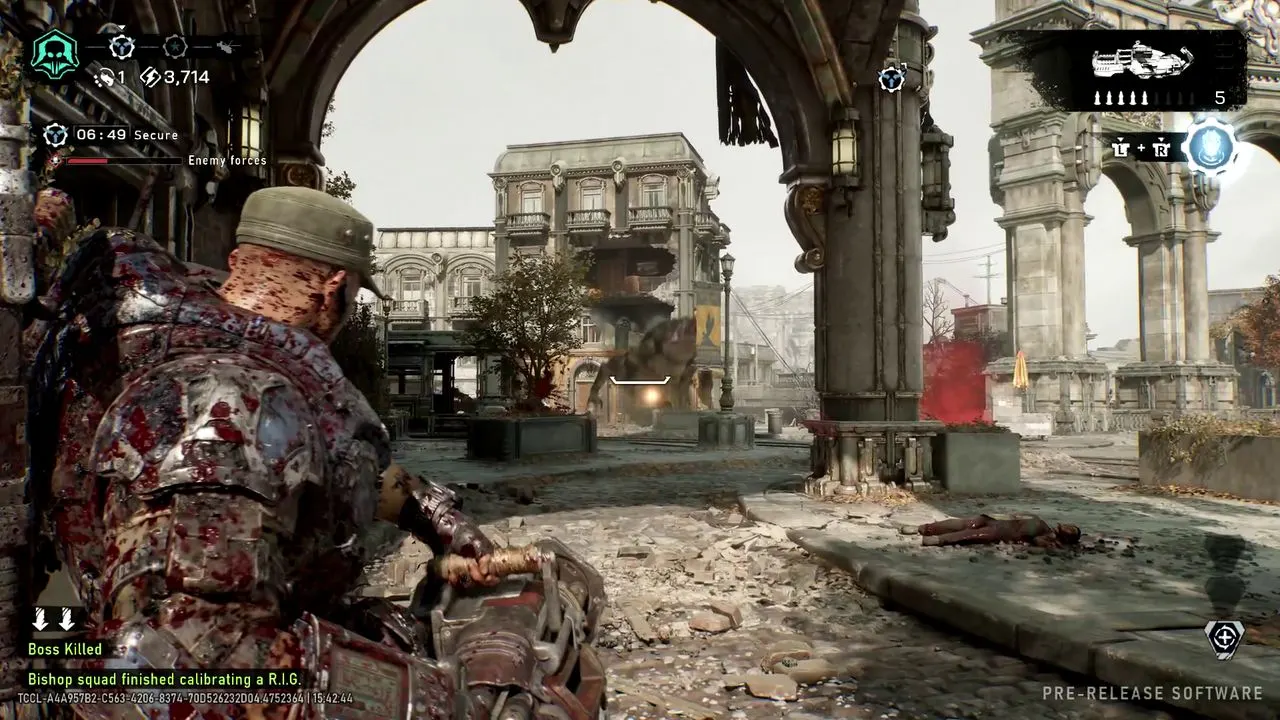
The article considers whether the drab, brown-and-grey visual style associated with Xbox 360-era games is becoming fashionable again. It suggests that an aesthetic once widely criticised as overused may now be viewed nostalgically, reflecting how tastes can shift as a generation of players looks back on its formative games.
The term “Xbox 360 brown” refers to the muted, gritty colour palettes common in many mid-2000s action games, often used to convey realism and seriousness. The discussion places this look alongside broader nostalgia for that console generation, while leaving open whether its apparent return is an affectionate revival or simply a renewed design trend.
In short
- Brown-and-grey Xbox 360-era visuals may be gaining nostalgic appeal.
- The style was once criticised for being overly common.
- Changing tastes are reshaping perceptions of mid-2000s game design.
Steelman: both sides, in good faith
The strongest fair case each way — we don't pick a winner.
The case for
A return to muted, gritty palettes can be a thoughtful way to evoke the games and shared experiences that shaped a generation of players. Nostalgia may also help designers revisit an aesthetic once dismissed as repetitive and use it with fresh intent, rather than treating bright colour as the only route to visual appeal.
The case against
The style’s renewed visibility may reflect fashion more than a meaningful reassessment, and nostalgia can make familiar games seem more distinctive than they were. Reusing brown-and-grey palettes risks reviving the old sameness and narrowing visual expression, especially when those colours were often used as a shortcut for realism and seriousness.
Explained simply
The term "Xbox 360 brown" describes a visual style that dominated many video games in the mid-2000s, characterised by muted, gritty brown and grey colour palettes. This aesthetic became particularly common in action games, where designers used these drab tones to create a sense of realism and seriousness.
When these games were prevalent, the style came in for widespread criticism as overused and uninspired. Now, as players who grew up with these games look back on them with nostalgia, that same brown-and-grey aesthetic is beginning to be viewed differently—as a charming reminder of a formative gaming era.
The return of this visual style raises questions about whether it represents a genuine revival of affection for that period or simply a new design trend cycling back into favour. Either way, it demonstrates how gaming aesthetics evolve and shift over time.