Politics news and discussion on TalkFuse.
The Morning Poll: Is your area prepared for the risk of wildfires in the prolonged heatwave?
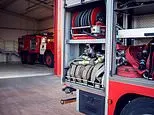
The article presents a morning poll asking readers whether their local area is prepared for an increased wildfire risk during a prolonged heatwave. It highlights concern that sustained hot, dry conditions can make grassland and open spaces more vulnerable to fires, placing pressure on emergency services and local authorities.
The wider context is a period of severe dry weather, with reports of wildfires and grass fires in parts of England, including Suffolk and London. The article also refers to exceptionally serious drought conditions affecting large areas of the country, underscoring the potential for fires to spread quickly.
In short
- Prolonged heat raises wildfire risks across England.
- Readers are asked if local preparations are adequate.
- Drought and grass fires heighten concern.
Steelman: both sides, in good faith
The strongest fair case each way — we don't pick a winner.
The case for
Local areas should treat prolonged heat and drought as a clear warning to strengthen wildfire readiness. Preventive measures such as public fire-safety messaging, maintaining firebreaks, restricting high-risk activities and ensuring emergency services have adequate resources can reduce avoidable damage and protect people, homes, wildlife and infrastructure. Supporters argue that preparedness is a prudent responsibility when dry conditions can allow small incidents to escalate rapidly.
The case against
It is reasonable to question whether every area can or should make major new wildfire preparations on the basis of a temporary heatwave. Local authorities and fire services face finite budgets and must balance this risk against other urgent needs, while extensive restrictions or costly interventions may be disproportionate in places with limited vegetation or a low history of serious fires. Critics argue that targeted, evidence-led planning and public vigilance may be more effective than broad measures that create unnecessary alarm.
Explained simply
A prolonged heatwave is a period of unusually hot weather lasting for an extended time. When sustained heat combines with dry conditions, vegetation dries out and becomes increasingly flammable, making grassland and open spaces vulnerable to fire. In these circumstances, even minor ignition sources can cause fires to spread rapidly.
England is currently experiencing exceptionally dry weather, with drought conditions affecting large areas of the country. Wildfires and grass fires have already been reported in various parts, including Suffolk and London, placing considerable pressure on emergency services and local authorities.
These events matter because widespread fires during periods of extreme heat can significantly affect communities, damaging homes and infrastructure whilst stretching emergency services. When drought conditions are severe, fires spread quickly and become difficult to contain, potentially affecting multiple communities at the same time.