Culture news and discussion on TalkFuse.
Carville says one democratic socialist’s ‘lunacy of the highest level’ policy could haunt swing-state Dems
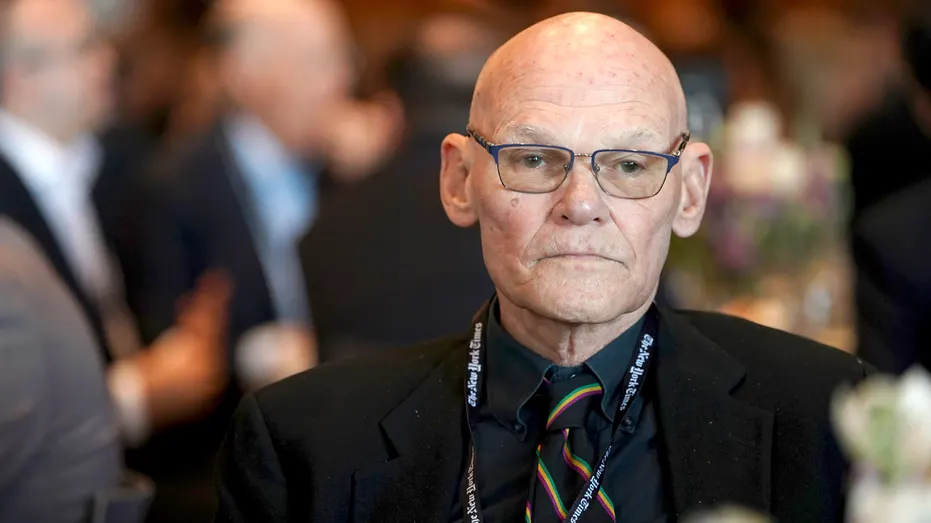
Veteran Democratic strategist James Carville warned that the growing prominence of democratic socialists could damage the Democratic Party’s image, particularly in politically competitive states. He described one policy associated with a democratic socialist as “lunacy of the highest level” and suggested that such positions could be used against Democratic candidates in swing-state elections.
The article frames Carville’s comments as part of a wider concern within the party about how left-wing candidates and policies affect its national brand. He argued that democratic socialists were dragging that brand “through the mud”, and reportedly suggested they should consider changing their name.
In short
- Carville says democratic socialist policies could hurt swing-state Democrats.
- He warns they are damaging the Democratic Party’s brand.
- The remarks reflect internal Democratic concerns about electoral positioning.
Steelman: both sides, in good faith
The strongest fair case each way — we don't pick a winner.
The case for
Carville’s warning reflects a concern that policies or labels associated with democratic socialism could make Democratic candidates less appealing to moderate voters in competitive states. If that weakens the party’s broader electoral prospects, it could also limit its ability to advance policies many Democrats support; clearer messaging or a different label might help candidates make their case.
The case against
Prominence for democratic socialist candidates can widen the party’s appeal among voters who want more ambitious action on economic inequality and public services. Their policies and arguments may help bring new voters into politics, while changing the label to appease swing voters could obscure genuine differences or sideline a constituency the party needs.
Explained simply
James Carville is a veteran Democratic political strategist who has advised major Democratic campaigns for decades. The Democratic Party contains different ideological wings, and there are ongoing tensions between its more moderate and more left-wing members.
Democratic socialists within the party advocate for policies including greater government control of industries and more extensive social programmes than many other Democrats support. This group has gained growing influence through elected officials and grassroots activism in recent years.
Swing states—politically competitive regions where either major party could realistically win—often determine the outcome of US presidential elections. Political strategists worry about how the party's overall image and policy positions affect Democratic candidates' ability to compete effectively in these electorally crucial areas.
Art Culture Government Politics World