How the FCC’s New Rule Will Affect Robot Vacuums
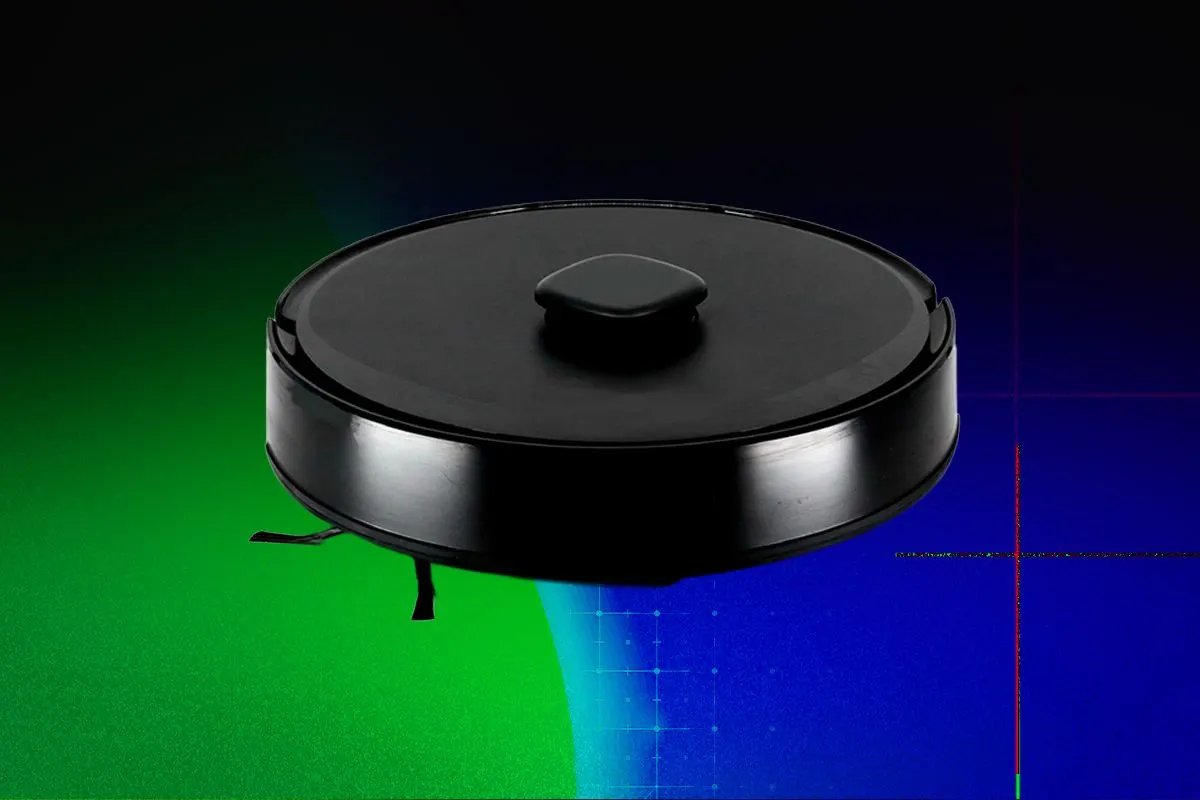
The US Federal Communications Commission has added foreign-made advanced mobile robots to its Covered List, a move that also captures robot vacuum cleaners despite the policy appearing chiefly aimed at humanoid and quadruped robots. Existing vacuums will remain available and continue working, but new overseas-made models may be unable to obtain the FCC approval needed for sale in the United States, potentially reducing future choice in the market.
The rule takes effect immediately and applies to robots with autonomous movement, environmental sensors, network connections and relevant software; it could also affect robotic pool cleaners and lawn mowers. Officials cite security concerns over connected devices’ cameras, sensors and potential vulnerability to cyber-attacks, although the article notes that robot vacuums generally map homes rather than stream live video. Connected vehicles, aircraft, rail vehicles, underwater vehicles and stationary robots are excluded.
In short
- Existing robot vacuums are unaffected.
- Future foreign-made models may be blocked from US sale.
- The FCC cites connected-device security risks.
Steelman: both sides, in good faith
The strongest fair case each way — we don't pick a winner.
The case for
Supporters can argue that connected robots collect sensitive information about homes and may create opportunities for surveillance or cyber-attacks, so limiting approval of new foreign-made models is a precaution to protect national security and consumers. They may see the broad rule as easier to enforce than trying to assess each device or manufacturer individually.
The case against
Critics can argue that applying a rule apparently aimed at more capable robots to ordinary vacuum cleaners is overbroad, especially when these devices generally map homes rather than stream live video. Restricting new overseas-made models could reduce consumer choice and competition without clear evidence that this category poses a distinct security threat; a narrower, device-specific review might address risks with less disruption.
Explained simply
The Federal Communications Commission (FCC) is the United States government body responsible for regulating communications technology. It has recently added foreign-made advanced mobile robots to its list of devices requiring special approval before sale, including robot vacuum cleaners.
Robot vacuums already on sale will continue to work normally, but new models made overseas may be unable to obtain the regulatory approval needed to be sold in the United States. This could eventually reduce the range of robot vacuum brands and models available to American consumers.
The FCC has cited security concerns, noting that cameras, sensors and network connections on such devices could be vulnerable to cyber-attacks. Although robot vacuums typically map homes rather than stream video, they fall within the rule's scope because they have autonomous movement, environmental sensors and network capabilities.