Entertainment news and discussion on TalkFuse.
Female Werewolves Deserve Better Horror Stories Than ‘Such Sharp Teeth’
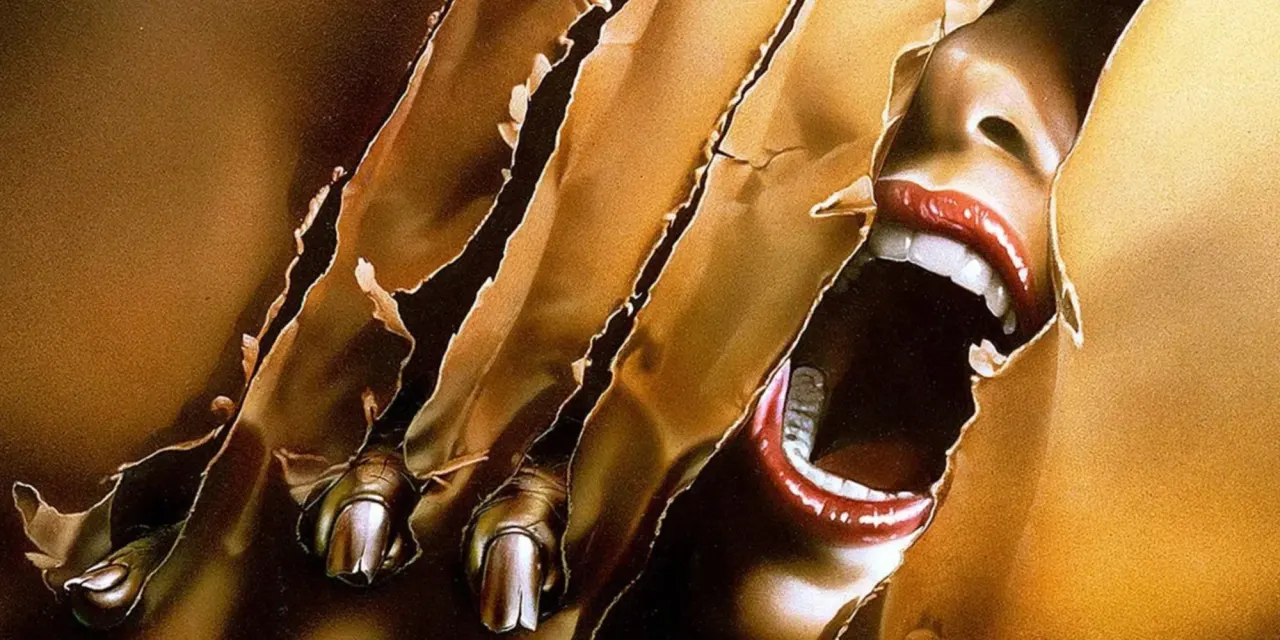
Collider argues that Rachel Harrison’s Such Sharp Teeth is a rare novel centred on a female werewolf, but that it fails to realise the creature’s horror potential. The article contends that its conventional romance plot weakens a premise that could more powerfully explore female rage, trauma, alienation and bodily autonomy.
It places the female werewolf within a longer history spanning Irish mythology, European witch trials and cultural fears of women who resisted social norms. While works such as Ginger Snaps use lycanthropy to examine menstruation, coming of age and female relationships, the article suggests Such Sharp Teeth cannot convincingly choose between horror and romance.
In short
- Such Sharp Teeth underuses its female-werewolf premise.
- Female werewolves carry rich feminist horror potential.
- The article favours deeper horror over conventional romance.
Steelman: both sides, in good faith
The strongest fair case each way — we don't pick a winner.
The case for
A conventional romance may give the novel an emotionally accessible way to explore intimacy, vulnerability and the pressures of recovery after trauma. By combining romance with lycanthropy, Harrison may also be broadening the kinds of stories in which female monsters can appear, rather than requiring them to stand chiefly for rage or social critique.
The case against
The female werewolf carries rich horror potential as a figure for bodily change, alienation and resistance to expectations placed on women. A romance-led plot may soften that unease and leave underexplored how trauma and loss of bodily autonomy could shape the character’s transformation, especially given the genre’s history of using female monsters to explore those fears.
Explained simply
Rachel Harrison's novel Such Sharp Teeth, centred on a female werewolf, has prompted discussion about what such stories can achieve. Critics question whether the book fully realises the potential of its werewolf premise or whether it relies too heavily on elements like romance at the expense of horror.
Female werewolves have long featured in cultural stories and myths, from Irish folklore to European witch trials, often representing anxieties about women who resisted social norms. Some modern horror films and novels have demonstrated how werewolves can explore distinctly female experiences, including menstruation, bodily change and coming of age, suggesting the creature offers rich symbolic possibilities.
The debate reflects broader questions about representation in horror fiction and what female characters can do within the genre. It asks whether stories featuring female monsters should prioritise exploring distinctly female themes and experiences over other narrative elements.