Science news and discussion on TalkFuse.
‘Upsetting’ that camp fire likely led to rare habitat blaze
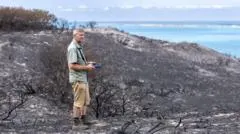
A fire at Headon Warren on the Isle of Wight, believed to have been started by a campfire, destroyed nine hectares of rare heathland and limestone grassland. The National Trust said the blaze, which burned for almost five days, was a major loss for wildlife and could set back restoration work for years.
The site supported nesting birds, reptiles, amphibians, small mammals and rare insects, including Dartford warblers, nightjars and beewolf wasps. At its peak, 80 firefighters tackled the fire in difficult terrain near a cliff edge, while farmers helped create fire breaks; vegetation may take three to four years to recover.
In short
- Campfire likely caused major Isle of Wight heathland fire
- Nine hectares of rare habitat were destroyed
- Wildlife recovery could take several years
Explained simply
Headon Warren is a nature reserve on the Isle of Wight managed by the National Trust. The site contains rare heathland and limestone grassland that support species such as Dartford warblers, nightjars and beewolf wasps.
A fire recently burned nine hectares of this habitat over almost five days. The loss is significant because it destroyed the home of these species and other wildlife, with vegetation and restoration work expected to take several years to recover.
At its peak, 80 firefighters worked to contain the blaze in challenging terrain near a cliff edge. Local farmers helped create fire breaks to slow the spread of the fire.