BP to sell North Sea business; AI companies lead record surge on Korea’s stock market – business live
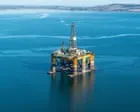
BP has put its North Sea oil business up for sale as it reviews its portfolio and seeks to redirect investment towards projects with higher returns. The move comes amid a political dispute over whether the UK should permit further North Sea extraction, making the sale significant for energy security, jobs and the future of domestic oil and gas production.
Chief executive Meg O’Neill said BP remains committed to the UK but believes the North Sea business could be better supported by another owner; she took charge in December after a period of leadership instability. Separately, South Korea’s benchmark Kospi index rose 17.91% in a single day, its largest recorded increase, following sharp falls of 11% on Tuesday and 6% on Wednesday amid volatile trading linked to the AI boom.
In short
- BP seeks buyer for North Sea oil business.
- UK drilling policy remains politically contentious.
- Korea’s Kospi records a 17.91% daily surge.
Steelman: both sides, in good faith
The strongest fair case each way — we don't pick a winner.
The case for
Selling the North Sea business could let BP direct capital towards projects it expects to earn better returns, while a new owner might invest more heavily in the assets and sustain jobs. Supporters of allowing further extraction argue that domestic production can contribute to energy security and economic activity as the UK manages the transition to lower-carbon energy.
The case against
The sale could weaken the UK’s ability to produce its own oil and gas, potentially increasing reliance on imports and putting jobs and supply-chain businesses at risk. Critics of further extraction argue that developing North Sea reserves could prolong dependence on fossil fuels and divert investment from cleaner energy; they may also question whether a new owner can make the business viable as production declines.
Explained simply
BP operates oil and gas fields in the North Sea, which have been crucial to UK energy production for decades and support thousands of jobs. The future of North Sea oil and gas remains politically disputed, with some arguing for continued investment for energy security and employment, whilst others believe the UK should transition away from fossil fuels. This debate has intensified recently as the government considers policy changes affecting the sector's future.
Meg O'Neill took over as BP's chief executive in December and is reviewing which parts of the business offer the best returns on investment. Her strategic decisions, including how the company positions itself in the energy transition, will influence BP's role in the UK economy and global energy markets. The company faces pressure to balance shareholder returns with shifting attitudes towards fossil fuel production.
South Korea's stock market experienced extraordinary volatility this week, with its main index experiencing sharp falls followed by a record-breaking single-day rise. Investors have been trading heavily in technology stocks, particularly those linked to artificial intelligence, driving the dramatic price movements. South Korea's tech sector is a major player in developing and manufacturing AI-related products, making investor sentiment about the industry particularly significant for the country's economy.
AI Asia Business Companies Markets Technology UK World