Culture news and discussion on TalkFuse.
New solar panels in Great Britain at 15-year high as fossil fuel costs soar
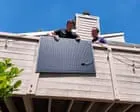
Great Britain installed 142,536 solar systems in the first half of 2026, its strongest six-month period since 2011, as high fossil-fuel prices prompted more households to seek cheaper, self-generated electricity. The increase matters because it could surpass last year’s record for new solar additions and signals growing consumer interest in reducing exposure to volatile energy bills.
Most new installations were rooftop systems, though they account for under a third of total solar capacity; Britain now has more than two million solar installations. E.ON Next reported a 151% annual rise in household solar installations, while Octopus Energy said sales rose more than 54% in March after Middle East conflict pushed oil and gas prices higher; grants for heat pumps are also increasing, with applications up 21% year-on-year.
In short
- Solar installations reached a 15-year half-year high.
- Rising fossil-fuel costs are driving household demand.
- Britain has more than two million solar installations.
Steelman: both sides, in good faith
The strongest fair case each way — we don't pick a winner.
The case for
The surge in rooftop solar suggests households can reduce their exposure to volatile fossil-fuel prices while adding low-carbon electricity to Britain’s energy supply. Supporters may see this as a practical investment in consumer choice and energy resilience, particularly when high bills make self-generation more attractive.
The case against
Critics may argue that a rise in installations, while encouraging, does not by itself show that rooftop solar is affordable or practical for most households, and that its contribution remains limited because rooftops account for under a third of solar capacity. They may favour a broader energy strategy that does not rely on consumers’ ability to invest in panels and that addresses the costs and reliability of the whole electricity system.
Explained simply
Solar panel installations across Britain are increasing, with most systems being small rooftop installations on individual homes. These panels convert sunlight into electricity that households can use directly, reducing the amount they need to purchase from energy suppliers. With over two million systems already installed nationwide, solar has become an established part of Britain's energy infrastructure.
Fossil fuel prices have risen significantly in recent years, making electricity and heating bills less predictable for consumers. Installing solar panels allows households to generate their own electricity, which helps protect them from some of these price increases. This financial incentive has prompted growing numbers of families to invest in solar energy for their homes.
The surge in new solar installations reflects households' response to current energy market conditions. The trend indicates growing consumer confidence in renewable energy as a practical solution for managing energy costs. As more people invest in solar panels, it signals broader shifts in how households approach their energy needs.
Art Business Celebrity Culture Entertainment Middle East UK World